Skip to content
If your heating and cooling bills keep climbing but your HVAC system seems to be working normally, your air ducts could be part of the problem. Hidden behind walls, ceilings, and attic spaces, your ductwork delivers conditioned air throughout your home. When dust, debris, and other contaminants accumulate inside the ducts, your HVAC system may have to work harder to maintain a comfortable temperature.
For homeowners in Northglenn, dust is a year-round concern. Seasonal pollen, construction activity, pet hair, and Colorado’s dry climate can all contribute to buildup inside the duct system. While dirty air ducts aren’t always the sole cause of higher utility bills, they can reduce airflow and make your heating and cooling system operate less efficiently over time.
Can Dirty Air Ducts Really Increase Energy Costs?

Dirty ductwork doesn’t automatically mean your energy bills will skyrocket, but it can contribute to reduced HVAC efficiency when combined with other airflow problems. As dust and debris accumulate inside the duct system, airflow can become restricted, making it more difficult for conditioned air to reach every room in your home.
When airflow decreases, your furnace or air conditioner often runs longer to maintain the thermostat setting. Those longer heating and cooling cycles increase energy consumption and place additional wear on components like the blower motor. Over the course of a Colorado heating or cooling season, that extra runtime can gradually affect your monthly utility bills.
It’s important to remember that rising energy costs aren’t always caused by dirty ductwork alone. Air leaks, clogged filters, aging HVAC equipment, and poor airflow can all contribute to reduced efficiency. If you’re concerned about increasing utility bills, a professional air duct cleaning inspection can help determine whether dust buildup inside the duct system is affecting your home’s airflow and HVAC performance.
1. Restricted Airflow Makes Your HVAC System Run Longer
One of the biggest ways dirty air ducts affect efficiency is by limiting airflow. Dust, pet hair, construction debris, and other particles can gradually accumulate inside the duct system, especially near supply registers and return ducts where airflow slows down. While a thin layer of dust is normal, heavier buildup can begin affecting how efficiently air moves through your home.
When conditioned air doesn’t circulate as easily, your HVAC system has to run longer to satisfy the thermostat. Longer run times increase electricity or natural gas usage while placing additional strain on the blower motor. During Northglenn’s cold winters and warm summers, that added runtime can become noticeable on monthly utility bills.
2. Dust Buildup Can Affect HVAC Performance

Dirty ductwork doesn’t just impact airflow. Dust circulating through the HVAC system can also accumulate on important components that help the system operate efficiently. When dirt reaches the blower assembly, evaporator coil, or air filter more quickly, overall system performance may begin to decline.
| HVAC Component | How Dust Can Affect It |
|---|---|
| Air filter | Clogs more quickly, reducing airflow throughout the system. |
| Blower motor | Works harder to move air through the duct system. |
| Evaporator coil | Dust buildup reduces heat transfer and cooling efficiency. |
| Supply registers | Restricted airflow makes some rooms harder to heat or cool. |
| Return ducts | Reduced airflow limits the amount of conditioned air circulating through the home. |
Keeping your HVAC equipment clean starts with maintaining the entire air distribution system. When excessive dust has accumulated inside the ductwork, reliable air duct cleaning can help improve airflow, reduce unnecessary strain on HVAC components, and support more efficient heating and cooling throughout your home.
3. Leaky and Dirty Ducts Can Cost You Twice
Dirty ducts often go hand in hand with duct leaks, especially in older homes around Northglenn. While dust buildup restricts airflow inside the ductwork, small gaps or disconnected joints allow conditioned air to escape into attics, crawl spaces, or unfinished basements before it ever reaches your living space. The result is an HVAC system that works harder while delivering less comfort.
According to the U.S. Department of Energy, homes can lose 20% to 30% of conditioned air through leaking duct systems. If duct leaks are combined with heavy dust buildup, the blower has to work even harder to move air throughout the home. That’s why a professional duct inspection is often just as valuable as the cleaning itself, helping identify airflow problems that may be increasing your energy bills.
4. Your HVAC System May Need More Frequent Repairs

Restricted airflow doesn’t just affect utility costs. It also increases wear on the components that keep your heating and cooling system running. When the blower motor operates longer than necessary or airflow across the evaporator coil is reduced, the entire system works under greater stress.
Over time, homeowners may begin noticing problems that weren’t there before.
- Longer Heating or Cooling Cycles: Your HVAC system runs longer to reach the thermostat setting.
- Uneven Room Temperatures: Some rooms receive noticeably less airflow than others.
- More Frequent Filter Changes: Air filters become dirty much faster than normal.
- Higher Utility Bills: Energy consumption gradually increases without a major change in usage habits.
- Unexpected HVAC Repairs: Components such as blower motors or capacitors may wear out sooner because of increased operating time.
When several of these warning signs appear together, it’s worth having your duct system professionally evaluated. An experienced air duct cleaning contractor can determine whether accumulated debris is contributing to reduced airflow, higher operating costs, and unnecessary wear on your HVAC system.
How Do You Know If Your Air Ducts Need Professional Cleaning?
Not every home requires duct cleaning on a fixed schedule. Instead of cleaning the ducts every few years automatically, it’s better to look for conditions that indicate excessive buildup or contamination. A professional inspection can determine whether cleaning is actually needed.
You’ve Recently Completed a Remodeling Project
Drywall dust, sawdust, insulation fibers, and construction debris often find their way into the duct system during renovations. Even if vents were covered, fine particles can still circulate through the HVAC system.
You Notice Dust Returning Quickly
If furniture becomes dusty again only a few days after cleaning, excessive dust inside the duct system may be contributing to the problem, especially if your air filter is also becoming dirty unusually fast.
You See Dust Around Supply Registers
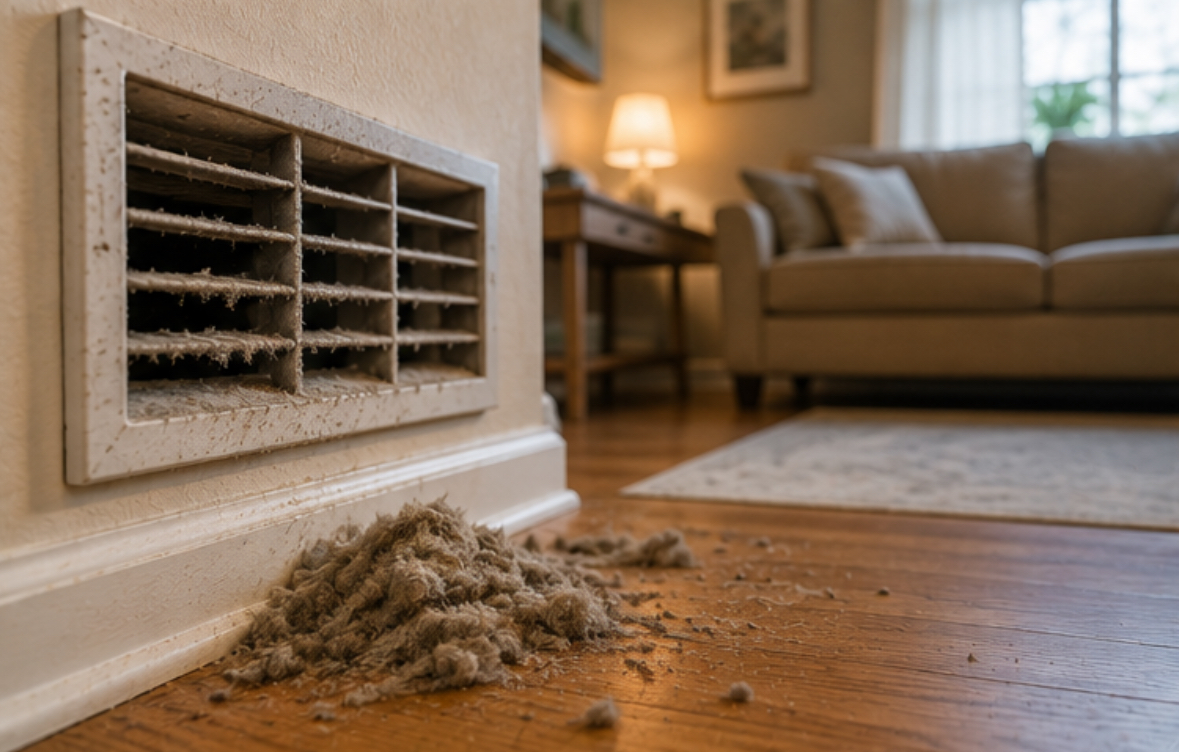
A light coating of dust is normal, but visible debris blowing from vents or collecting around registers may indicate buildup deeper inside the ductwork.
Your Home Has Pets or Allergy Concerns
Homes with multiple pets often accumulate pet hair and dander inside return ducts over time. If someone in the household has allergies or asthma, improving HVAC cleanliness may also help improve overall indoor air quality.
If you’re unsure whether your ducts actually need cleaning, a professional inspection is the best place to start. Reputable duct cleaning companies will inspect the system first and explain their findings instead of recommending cleaning without evidence.
Why Choose Fresh Air First for Air Duct Cleaning in Northglenn, CO?

If dirty air ducts are restricting airflow, your HVAC system may be working harder than necessary to keep your home comfortable. At Fresh Air First, we don’t recommend duct cleaning simply because it’s been a certain number of years. We begin with a thorough inspection to determine whether dust buildup, debris, or other airflow restrictions are actually affecting your system’s performance and energy efficiency.
Our experienced team provides professional air duct cleaning for homeowners throughout Northglenn and the surrounding communities using specialized equipment designed to remove accumulated dust and debris without damaging your ductwork. Whether you’ve noticed rising utility bills, excessive dust around your home, or reduced airflow from your vents, we’ll identify the source of the problem and recommend the right solution.
If you think dirty air ducts may be contributing to higher energy bills, schedule a professional air duct cleaning inspection with Fresh Air First. We’ll help restore healthier airflow, improve HVAC efficiency, and keep your heating and cooling system operating at its best.