Skip to content
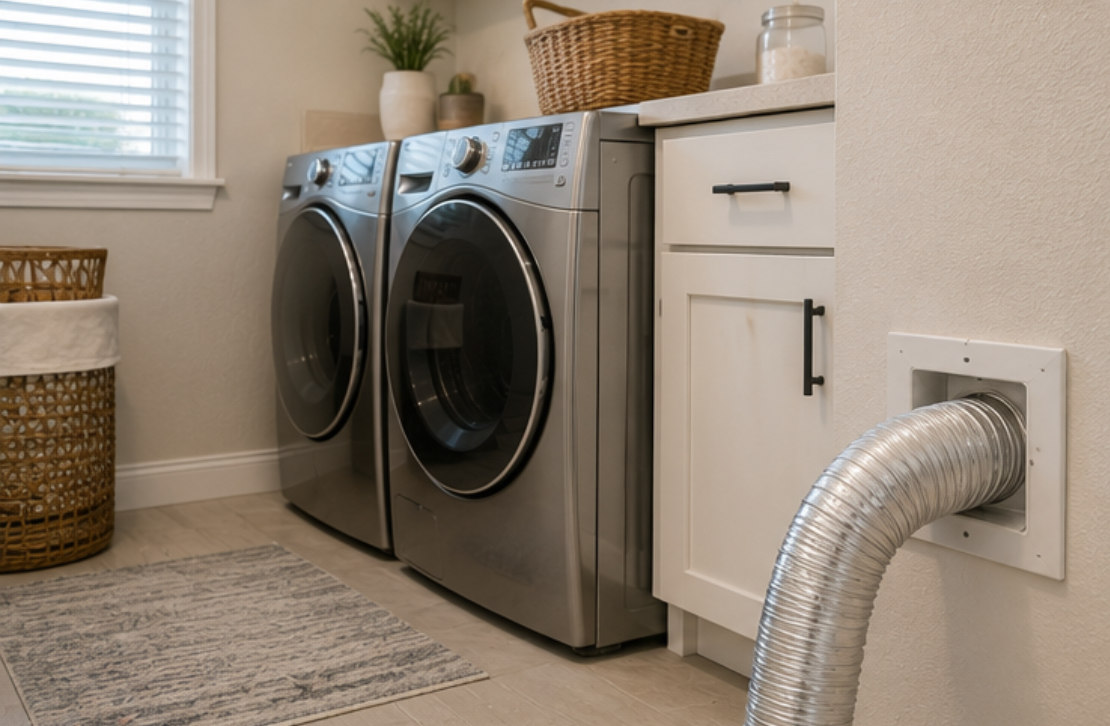
Most homeowners remember to clean the lint screen after every load, but the dryer vent itself is often forgotten. Over time, lint, dust, and debris build up inside the vent line, restricting airflow and forcing the dryer to work harder. In some cases, a clogged dryer vent can even become a fire hazard if it isn’t inspected and cleaned regularly.
If you live in Northglenn, regular dryer vent inspections are one of the simplest ways to improve dryer efficiency, reduce drying times, and help protect your home. Knowing how often your vent should be inspected depends on how frequently you use the dryer, the length of the vent, and the number of people in your household. Understanding these factors can help you determine when it’s time to schedule professional dryer vent cleaning.
How Often Should a Dryer Vent Be Inspected?

For most homes, a dryer vent should be professionally inspected at least once a year. An annual inspection allows technicians to check for lint accumulation, airflow restrictions, disconnected vent sections, bird nests, and other issues that may reduce dryer performance or create safety concerns.
Some households benefit from more frequent inspections. Families that run multiple loads every day, homes with pets, or properties with long or complex vent runs often accumulate lint much faster. In these situations, inspecting the dryer vent every 6 to 12 months is often recommended to maintain safe airflow.
Even if your dryer appears to be working normally, a professional inspection can identify hidden buildup long before it causes longer drying times or unexpected problems.
What Factors Determine How Often You Need a Dryer Vent Inspection?
There’s no one-size-fits-all inspection schedule because every household uses its dryer differently. While most homes benefit from a professional dryer vent inspection once a year, certain conditions can cause lint to accumulate much faster. Understanding these factors can help you determine whether your home needs more frequent inspections.
How Often You Use Your Dryer
The more laundry you do, the more lint moves through the vent system. Households that run one or two loads a week may only need an annual inspection, while families doing laundry every day should consider having the dryer vent inspected every 6 to 12 months.
The Size of Your Household
Larger families naturally produce more laundry, which means the dryer operates more frequently. More drying cycles create more lint, increasing the likelihood of airflow restrictions developing inside the vent over time.
Whether You Have Pets
Pet hair often passes through clothing and towels during the wash cycle before collecting in the dryer vent. Homes with dogs or cats typically experience faster lint buildup, making more frequent inspections and dryer vent cleaning a smart preventive measure.
The Length and Design of the Vent
Longer dryer vents or systems with multiple bends slow airflow and create more places for lint to settle. If your vent runs more than 20 feet or includes several elbows before reaching the exterior, it should be inspected more often than a short, straight vent.
The Type of Laundry You Dry
Bulky items such as towels, blankets, comforters, and fleece clothing produce significantly more lint than everyday garments. If these items make up a large portion of your laundry routine, your dryer vent may require inspection sooner than the standard annual recommendation.
Rather than waiting until your dryer starts taking longer to dry clothes, consider inspections as preventive maintenance. A professional can identify lint buildup early, recommend dryer vent cleaning when necessary, and help keep your dryer operating safely and efficiently throughout the year.
What Are the Warning Signs Your Dryer Vent Needs Attention?

You don’t always have to wait until your annual inspection to know something is wrong. A restricted dryer vent usually gives several warning signs before it becomes completely blocked. Paying attention to these changes can help prevent unnecessary wear on your appliance while improving safety.
- Clothes Take More Than One Cycle to Dry: Restricted airflow prevents moisture from leaving the dryer efficiently.
- The Dryer Feels Extremely Hot: Excess heat builds up because warm air can’t escape through the vent properly.
- A Burning Smell During Operation: Lint accumulation combined with excessive heat should be inspected immediately.
- The Laundry Room Feels More Humid: Moist air may not be venting outside as intended.
- Very Little Air Comes Out of the Exterior Vent: Weak airflow outside often indicates lint buildup somewhere inside the vent line.
If you notice any of these warning signs, don’t continue using the dryer until the vent has been inspected. Scheduling professional dryer vent cleaning early can improve dryer performance while reducing unnecessary safety risks.
What Happens During a Professional Dryer Vent Inspection?
A professional dryer vent inspection involves much more than checking the lint trap. The goal is to evaluate the entire vent system, identify airflow restrictions, and determine whether the vent should be cleaned or repaired. This allows homeowners to address small issues before they become expensive appliance repairs or safety hazards.
| Inspection Step | Why It’s Important |
|---|---|
| Check the entire vent line | Identifies lint buildup, crushed sections, or disconnected ducting. |
| Measure airflow at the exterior vent | Confirms the dryer is exhausting air properly. |
| Inspect the vent termination | Looks for bird nests, insect screens, or outdoor debris blocking airflow. |
| Examine vent material | Ensures the vent uses rigid or semi-rigid metal ducting instead of unsafe flexible plastic or foil ducts. |
| Evaluate dryer performance | Confirms restricted venting isn’t causing the dryer to overheat or run longer than necessary. |
Many homeowners are surprised to learn that the dryer itself isn’t always the problem. In many service calls, the appliance is working correctly while a partially blocked vent is preventing it from drying clothes efficiently.
What Can Homeowners Do Between Professional Inspections?

While annual inspections are recommended, a few simple maintenance habits can help keep your dryer vent performing well between professional visits. These steps won’t replace a complete dryer vent cleaning, but they can reduce lint accumulation and improve airflow throughout the year.
Clean the Lint Screen After Every Load
Removing lint after each drying cycle improves airflow immediately and prevents loose lint from being pulled deeper into the vent system. Even a partially covered lint screen can reduce dryer efficiency.
Check the Outdoor Vent Cover Regularly
Every few months, inspect the exterior vent hood while the dryer is running. The damper should open fully and release a steady stream of warm air. Weak airflow or a vent that doesn’t open properly may indicate a restriction inside the duct.
Leave Enough Space Behind the Dryer
Pushing the dryer too close to the wall can crush or kink the vent line, restricting airflow. Keeping a small amount of clearance behind the appliance helps maintain proper exhaust flow.
Pay Attention to Drying Times
If towels or jeans suddenly require two or three drying cycles when they previously dried in one, don’t ignore it. Longer drying times are often one of the earliest signs that lint is building up inside the vent.
These simple habits help reduce unnecessary wear on your dryer, but they don’t remove lint that has already accumulated deep inside the vent system. That’s why periodic professional inspections remain an important part of home maintenance.
Why Choose Fresh Air First for Dryer Vent Inspections and Cleaning in Northglenn, CO?

A clogged dryer vent affects more than drying performance. It can increase energy consumption, shorten the life of your dryer, and create unnecessary safety risks inside your home. At Fresh Air First, we provide thorough dryer vent inspections that identify airflow problems, lint buildup, and venting issues before they become larger concerns.
Our experienced team carefully evaluates the entire vent system and recommends professional dryer vent cleaning only when it’s needed. Whether your dryer is taking longer to dry clothes, producing excessive heat, or it’s simply time for your annual inspection, we’ll help ensure your vent system is operating safely and efficiently.
If it’s been more than a year since your dryer vent was inspected, or you’ve noticed signs of restricted airflow, contact Fresh Air First today. We’ll help keep your dryer running efficiently while giving you greater confidence that your home’s vent system is clean and safe.