Skip to content
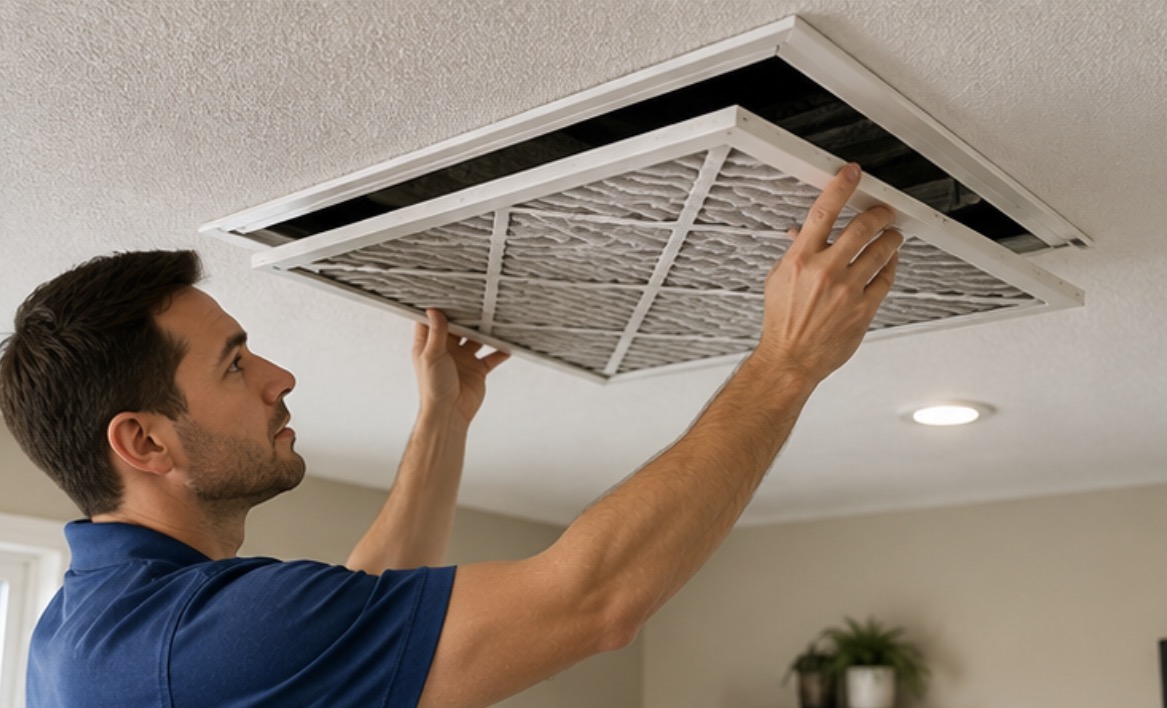
When your home feels dusty or the air seems stale, the fix might be as simple as a $20 filter, or it might call for a professional duct cleaning that runs several hundred dollars. Telling the two apart saves you money and frustration. Many Northglenn homeowners spend on the wrong solution simply because no one ever explained the difference clearly.
A new air filter and a full duct cleaning solve different problems. A filter manages the air passing through your system right now, while duct cleaning removes what has already settled and built up inside the ductwork itself. Knowing which one your home actually needs starts with understanding what each does and, just as importantly, what each cannot do.
This guide answers the question directly. Do you need air duct cleaning, or just a new filter? It explains what filters can and cannot handle, the signs that point to a deeper problem, when duct cleaning is genuinely recommended, and how a simple inspection settles the matter. By the end, you will know which step your home truly needs.
What Your Air Filter Actually Does, and Does Not
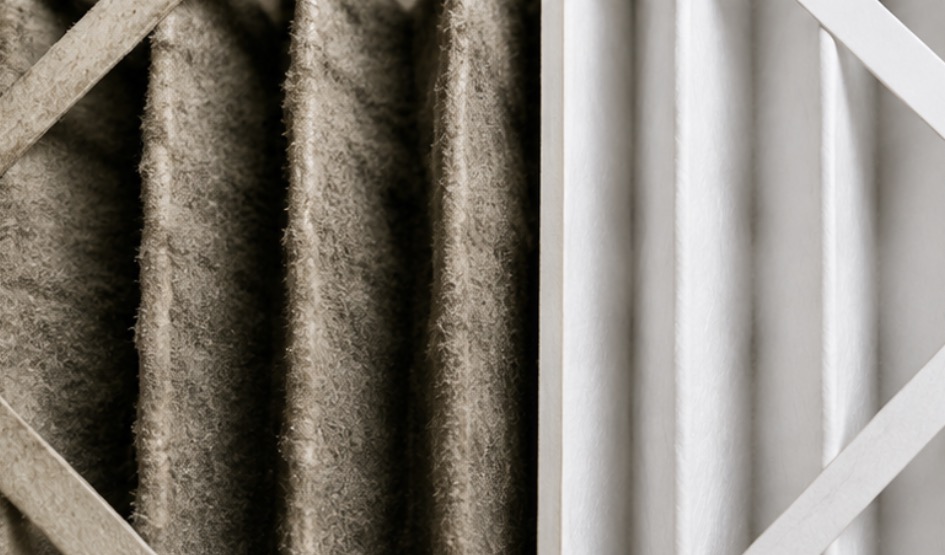
Your HVAC filter has one job, and it does it continuously. Understanding that job, and its limits, is the fastest way to figure out whether a fresh filter is all you need or whether the real issue lies deeper inside your system. Here is what a filter handles and what falls outside its reach.
What a Filter Handles
- Airborne dust: Captures particles circulating through the HVAC system.
- Pollen: Helps capture some airborne pollen depending on filter efficiency.
- Pet dander: Reduces particles entering the HVAC equipment and circulating through the home.
- Lint: Captures airborne fibers before they move farther through the system.
- Equipment protection: Helps limit particle buildup on HVAC components.
What a Filter Cannot Handle
- Existing duct buildup: It cannot remove material already deposited inside ductwork.
- Contaminated components: It does not clean dirty coils, blower components, or other HVAC parts.
- Pest contamination: It cannot remove nesting material, droppings, or other debris from an infestation.
- Visible mold: A new filter does not address confirmed contamination inside the HVAC system.
- Heavy debris: It cannot remove substantial deposits that have accumulated inside the system.
In short, a filter is your first line of defense against new particles in the airstream, but it has no effect on the buildup already coating the inside of your ductwork. That distinction is the key to knowing whether a cheap replacement solves your problem or merely masks a bigger one for a little while.
Start With the Filter, the Simple First Step
Before assuming you need a professional cleaning, replace your filter and see what changes. A fresh, correctly rated filter is inexpensive and often resolves minor dust or airflow complaints on its own. If your filter is gray and clogged, it has not been doing its job, and a simple swap every one to three months may be all your home requires for now.
Choosing the right filter matters too. A MERV rating between 8 and 13 balances strong filtration with healthy airflow for most homes. Going higher without the right system can actually restrict air and strain your equipment. If a new filter noticeably improves things and the improvement lasts, professional duct cleaning may not be necessary yet.
Signs the Problem Is Deeper Than a Filter
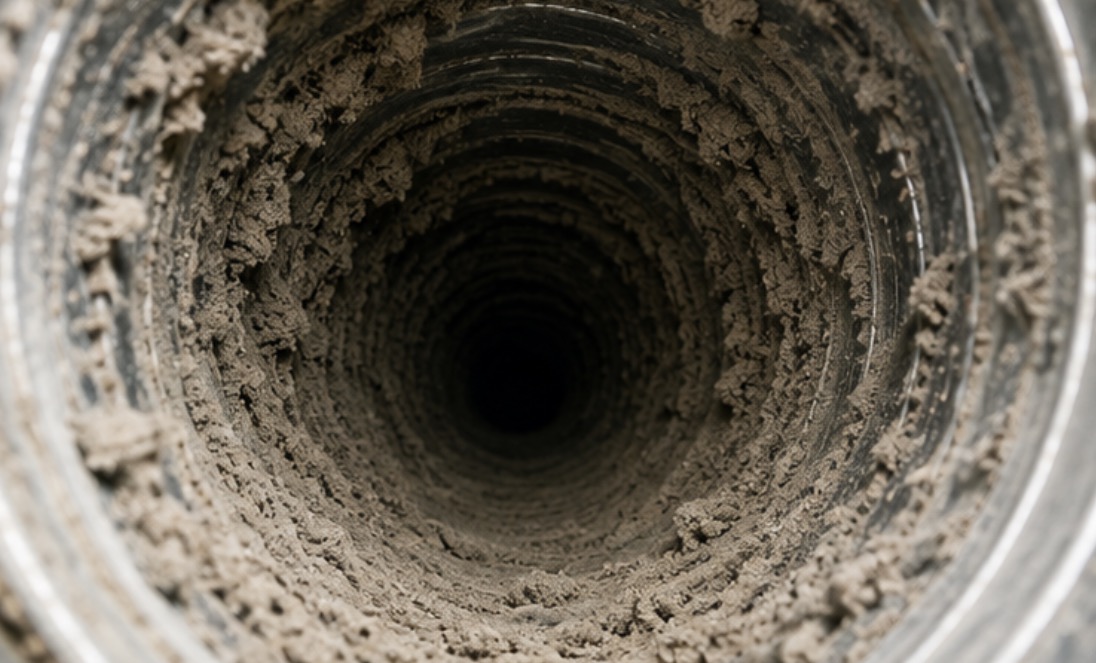
Sometimes a new filter helps for a week, then the symptoms return. That pattern, along with the following signs, suggests the issue lives inside your ducts rather than in the filter slot. Watch for these indicators as you decide.
- Visible dust blowing from vents when the system starts, even shortly after you changed the filter.
- Persistent musty or stale odors that a fresh filter does not fix, which can point to mold or trapped debris.
- Uneven dust buildup that returns quickly on surfaces no matter how often you clean.
- Allergy or respiratory symptoms that worsen indoors and ease when you leave the house.
- Reduced airflow from certain vents despite a clean filter and open registers.
If several of these describe your home, the filter is no longer the whole story. Contamination that has settled deep in the ductwork, or a dirty blower and coil, keeps recirculating no matter how fresh the filter is. At that point, cleaning the system itself is what finally breaks the cycle for good.
When Air Duct Cleaning Is Actually Recommended
NADCA, the industry’s certifying body, recommends duct cleaning under specific conditions rather than on a rigid schedule. Those include visible mold growth inside the ducts, infestation by rodents or insects, and significant debris or dust being released into your home. If any of these apply, a fresh filter cannot solve the problem, and a professional air duct cleaning is the right call.
Situations That Deserve an Inspection
After major renovation: Construction dust can enter uncovered ductwork during remodeling.
After pest activity: Rodents or insects can introduce debris and contamination into the duct system.
Visible contamination: Significant visible mold-like growth or substantial debris warrants further evaluation.
Debris from registers: Material being released into occupied rooms is a reason to investigate the duct system.
Unknown system history: If you recently purchased an older Northglenn home and have no idea when or how the HVAC system was serviced, an inspection can establish its current condition.
Other common triggers include recent home renovations that fill ducts with fine construction dust, moving into an older home with an unknown maintenance history, or a system that has never been cleaned in many years. In these cases, cleaning the ductwork, and often the furnace and blower, restores the air quality a filter alone can never deliver.
Filter vs Duct Cleaning, a Quick Comparison
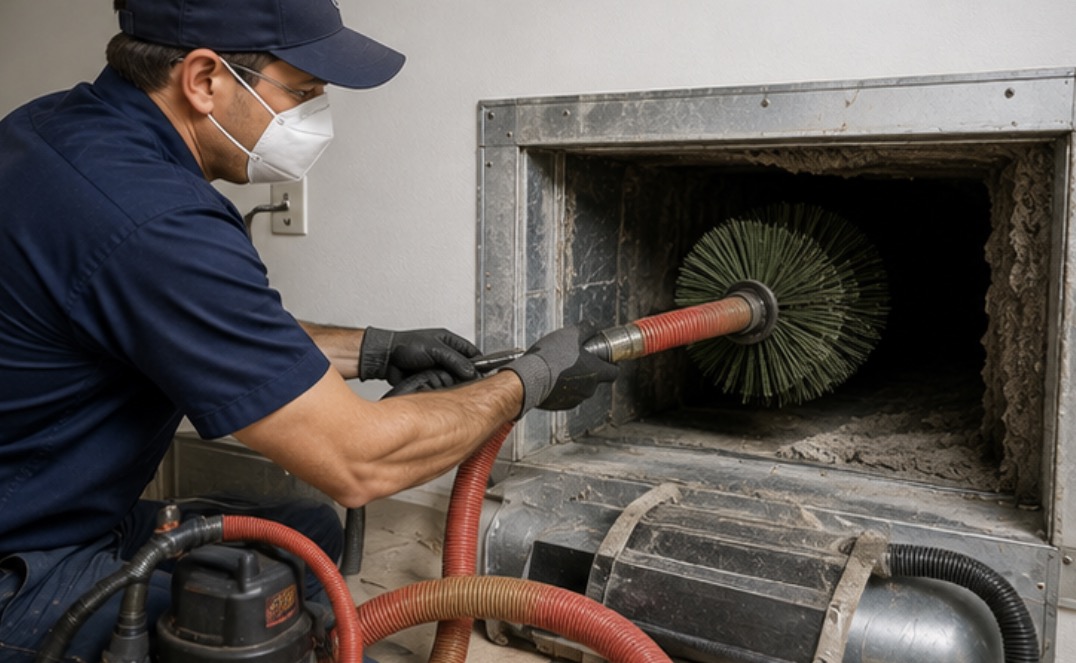
A new filter is usually the right starting point when the issue is routine dust buildup or a visibly dirty filter. Professional duct cleaning becomes more relevant when you have substantial debris, visible contamination, pest activity, or particles coming from the supply registers. Use the comparison below to match the service to the actual condition inside your Northglenn home.
| Situation | New filter | Duct cleaning |
|---|---|---|
| Routine dust, filter looks dirty | Usually enough | Not yet needed |
| Symptoms return days after a filter change | Helps briefly | Likely needed |
| Visible mold or debris inside ducts | Will not help | Recommended |
| After renovation or moving into an older home | Helps going forward | Recommended |
| Typical cost | About $15 to $40 | About $450 to $1,000 |
The comparison makes the pattern clear. A filter handles ongoing, everyday particles at low cost, while duct cleaning addresses built-up contamination that a filter can never reach. Most homes need regular filter changes, and a smaller share genuinely need cleaning, so matching the solution to the symptom protects both your health and your budget.
How an Inspection Settles the Question
When the signs are ambiguous, an inspection removes the guesswork. A technician can open the system, look inside the ducts, and show you exactly what is there, rather than leaving you to wonder. A professional duct system inspection reveals whether your ducts are genuinely dirty or whether a filter change is all your home needs.
Ask the Technician to Show You the Evidence
Before approving duct cleaning, ask:
- What did you find inside the duct system?
- Where is the contamination located?
- Can you show me photographs or the affected areas?
- Which parts of the HVAC system will be cleaned?
- What is included in the quoted price?
- Are any additional treatments being recommended, and why?
This step protects you from paying for a service you do not need and from skipping one you do. If the ducts are clean, an honest company tells you so and sends you off with a filter recommendation. If they are not, you get clear evidence and a targeted plan, sometimes paired with indoor air quality testing for a complete picture of your home’s air.
What to Expect From an Honest Professional
When you are unsure whether your Northglenn home actually needs duct cleaning, the inspection should come before the sales pitch. A qualified technician should look at the accessible ductwork and HVAC components, identify what is causing the dust or airflow concern, and explain whether cleaning is justified. The recommendation should be based on what they find, not a predetermined package.
What a Professional Should Explain
- Visible condition: Show you whether dust, debris, or other contamination is actually present inside the system.
- Likely cause: Explain whether the problem points to the filter, ductwork, blower, coil, or another HVAC component.
- Service scope: Clearly identify which ducts and system components would be cleaned.
- Expected result: Tell you what the cleaning should realistically improve, such as removing accumulated debris.
- Total price: Provide the cost before work begins, including any recommended additional services.
- No-pressure advice: Tell you if a filter replacement or another simpler solution is sufficient.
This approach is especially important because a professional duct cleaning should solve a documented problem, not create one. If the ductwork is already clean, the right duct cleaning contractor should be comfortable telling you that and explaining what maintenance, including regular filter replacement, makes more sense for your home.
Why Choose Fresh Air First in Northglenn, CO
Choosing between replacing a filter and scheduling professional duct cleaning should start with knowing what is actually happening inside your HVAC system. Fresh Air First takes an inspection-first approach, helping Northglenn homeowners understand whether they have a ductwork issue or simply need better filter maintenance.
If you are unsure what is causing persistent dust, debris, or airflow concerns, start with a duct system inspection to see whether the condition of the ductwork supports professional cleaning. If cleaning is warranted, Fresh Air First provides air duct cleaning designed around the condition of your home’s system rather than a one-size-fits-all package.
With a 4.9-star reputation and more than 207 Google reviews, Fresh Air First gives homeowners a practical way to make the right decision: inspect first, understand the findings, then choose the service your Northglenn home actually needs.