Skip to content

You might not realize it, but when your dryer vent gets clogged, it’s more than just an inconvenience—it can create hidden risks and drive up your utility bills. Lint buildup inside the vent blocks airflow, leaving your clothes damp and your machine working overtime. If you’ve noticed longer drying times or a hotter laundry room, there’s a good chance trouble is brewing out of sight. So what’s really happening behind the scenes?
How a Dryer Vent System Moves Air and Lint Out of Your Home

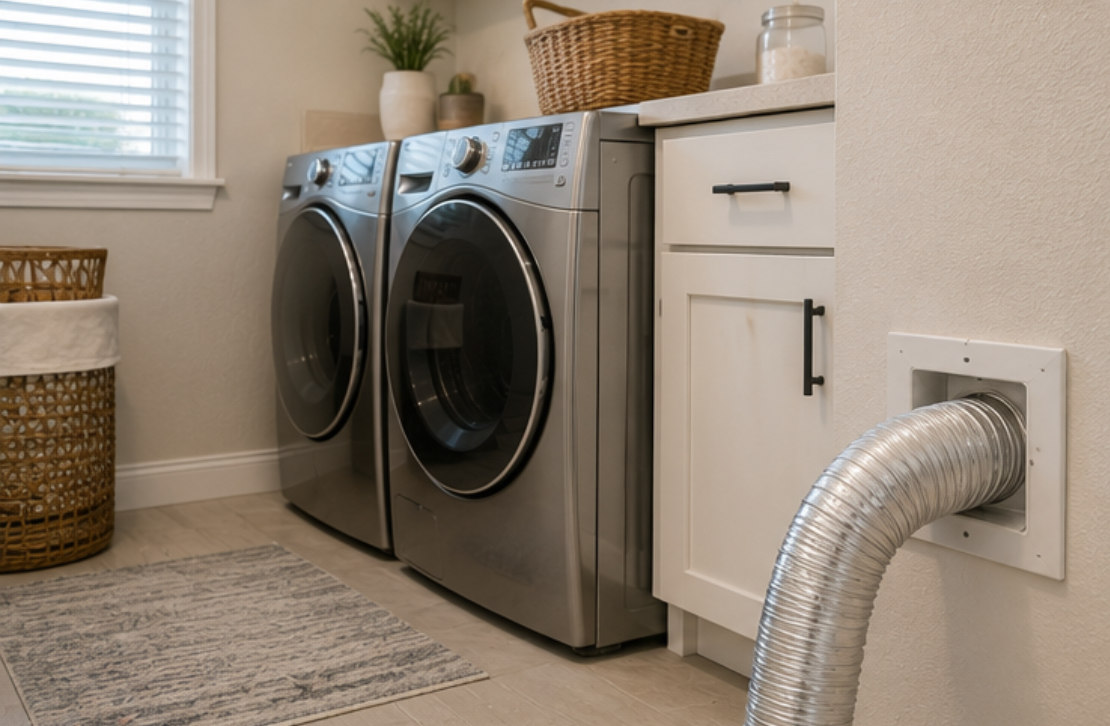
When your dryer runs, it pulls in air, heats it, and then sends that warm air through your clothes to dry them. The process relies on strong airflow dynamics to push moist, lint-filled air out through the vent system. As the air moves, it carries lint and tiny fibers away from your laundry, sending them through the duct and outside your home. If airflow is smooth and unblocked, this system works efficiently—your clothes dry quickly, and the dryer doesn’t overheat. However, the vent’s design, length, and any bends or turns can influence how well air and lint exit. In homes around Northglenn, long vent runs or older ducts often make airflow dynamics more challenging, which is why regular attention to your vent system matters. Routine cleaning using professional-grade equipment ensures that even hidden lint and debris are thoroughly removed, enhancing safety and dryer performance.
What Actually Happens Inside a Dryer Vent When Lint Starts Building Up
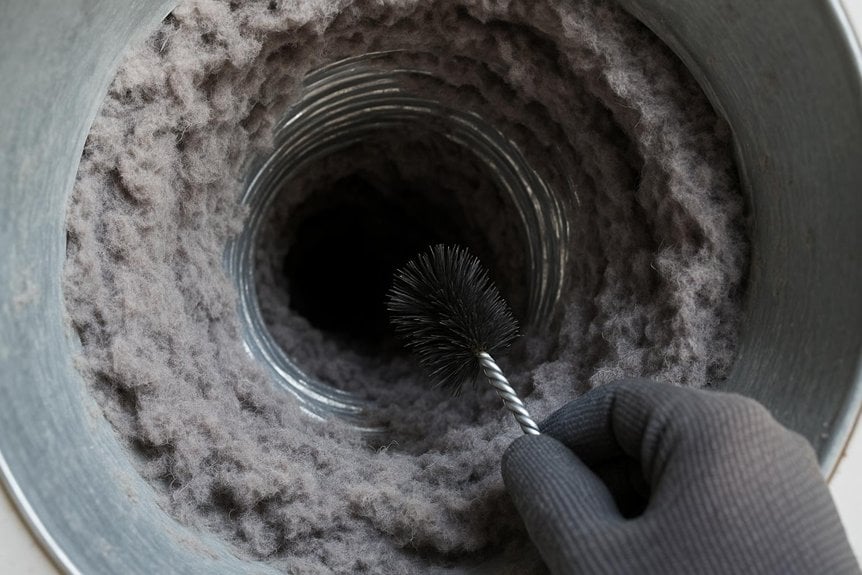
Even with a well-designed vent system, lint always manages to slip past the lint trap and enter the vent duct. Once inside, small lint particles start clinging to the walls of the vent line. Over time, this lint accumulation builds layer by layer, especially in longer vent runs or older installations common in Northglenn and the Denver metro area. Moisture from drying clothes causes some lint to stick together, forming dense clumps. This buildup gradually restricts airflow, so your dryer can’t push hot, moist air outside efficiently. Heat gets trapped, and your dryer works harder, running longer cycles and overheating. If you’ve got pets, their hair mixes in, worsening blockages. Eventually, you’re looking at a serious airflow and safety problem inside your home’s vent system. Regular dryer vent cleaning can help prevent dangerous blockages and improve your home’s air quality.
How Dryer Vent Design and Length Affect Airflow in Your Home

In many Northglenn homes, dryer vents are not short, straight ducts. Instead, they often run through walls, ceilings, or crawlspaces before reaching the exterior vent. The longer the vent system and the more turns it has, the harder it becomes for lint-filled air to travel outside efficiently. Most dryer manufacturers recommend keeping vent runs as short and straight as possible, because longer ducts reduce airflow and allow lint to settle more quickly inside the system.
Each bend in the duct slows airflow and creates small areas where lint can begin collecting. Over time, these spots become the starting point for larger lint clogs. Older homes sometimes have flexible foil ducts or poorly installed vent runs, which trap lint even faster than smooth metal ducts.
Several design factors can increase the likelihood of lint buildup:
- Long vent runs that stretch across multiple rooms or floors
- Multiple duct elbows that slow airflow and trap lint
- Flexible or foil ducts that collect lint on rough surfaces
- Roof vent terminations that make airflow weaker than wall vents
- Exterior vent caps blocked by debris or bird nests
When these conditions exist, lint accumulation happens much faster, which is why professional inspections are often recommended for longer dryer vent systems. As lint buildup increases inside the vent system, the dryer usually begins showing noticeable warning signs.
Warning Signs That Your Dryer Vent Is Already Blocked
After understanding why dryer vents become clogged in many homes, the next step is recognizing the warning signs early. When lint and debris begin restricting airflow inside the vent system, your dryer often shows clear symptoms before a serious blockage develops. Paying attention to these signs can help you address the problem before it leads to overheating, higher energy bills, or potential safety risks.
- Your clothes are taking much longer to dry than normal, which means airflow is restricted by trapped lint.
- The dryer feels unusually hot to the touch or shuts off mid-cycle, a classic sign it’s struggling against a blockage.
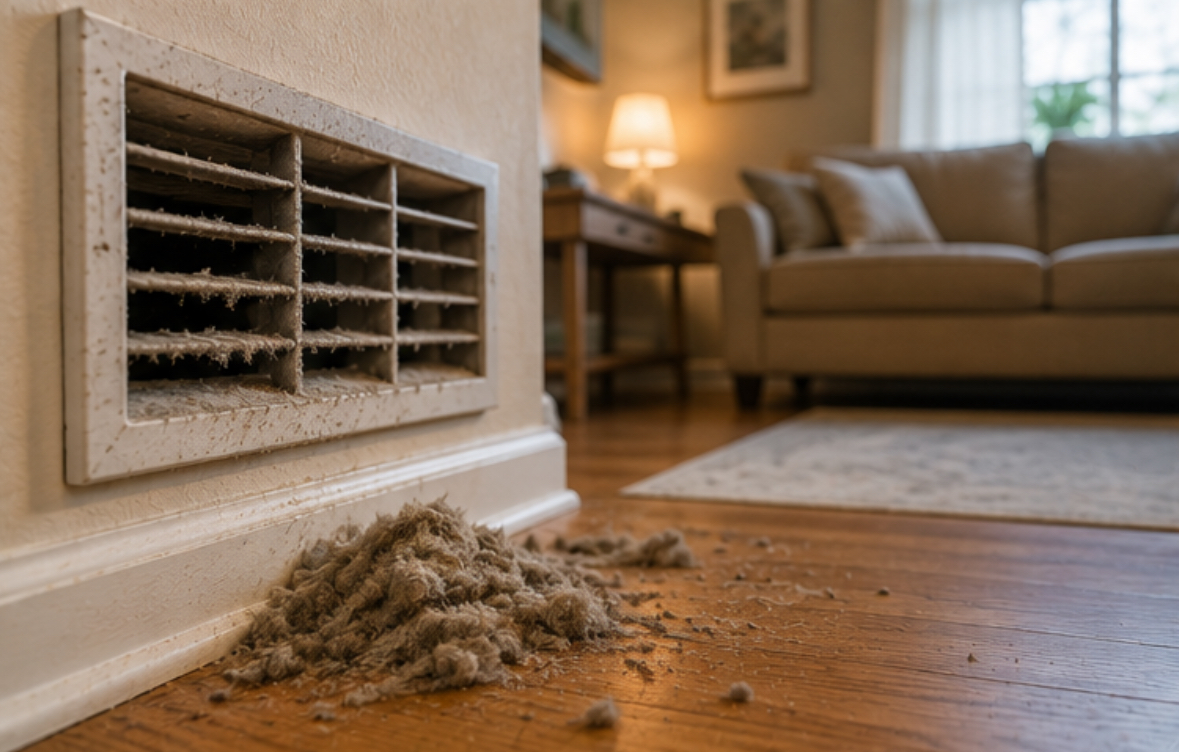
- You spot lint collecting around the vent opening or on the laundry room floor.
- The outside vent flap barely opens, showing that airflow is weak or blocked.
- Your laundry room feels humid after running the dryer.
- You notice burning lint smells when the dryer runs.
When several of these symptoms appear together, it usually indicates that lint buildup is restricting airflow inside the dryer vent system. Addressing these issues early can help prevent costly repairs, reduce fire risks, and keep your dryer operating efficiently.
Hidden Problems a Clogged Dryer Vent Can Cause in Your Home

When lint begins accumulating inside a dryer vent, the first thing you notice is longer drying times. But the real problems often develop deeper inside the vent system where they are harder to see. When the vent becomes partially blocked, hot air and moisture begin accumulating inside the system, forcing the dryer to work harder during every cycle.
Over time, this restricted airflow can create several hidden issues inside the home. The dryer may begin running hotter than normal, which places stress on internal components such as the heating element and blower motor. In some homes around Northglenn, technicians also find moisture building up inside vent lines, especially when lint traps damp air before it reaches the exterior vent. This trapped humidity can lead to musty odors, condensation inside the duct, and even mold growth in nearby wall cavities.
Another common problem is rising energy consumption. Because the dryer must run longer to remove moisture from clothes, cycles become longer and energy usage increases. In more severe cases, compacted lint combined with heat buildup can create a serious fire risk inside the vent line. According to the U.S. Fire Administration, thousands of home fires each year are linked to clothes dryers, and lint buildup inside dryer vents is one of the leading causes. These hidden problems often go unnoticed until the system begins showing clear warning signs, which is why homeowners should pay attention to early symptoms of restricted airflow.
If you suspect airflow problems in your dryer vent, there are a few quick checks you can try before scheduling a professional cleaning.
Simple DIY Checks Homeowners Can Try Before Calling a Professional
Once airflow problems start developing inside a dryer vent, there are a few simple checks homeowners can perform before scheduling a professional cleaning. While these quick inspections won’t remove deep lint buildup inside the vent line, they can help you determine whether airflow may already be restricted.
- Check the lint screen after every load to see if excessive lint is collecting faster than usual.
- Look at the exterior vent hood while the dryer runs and confirm that the vent flap opens fully with strong airflow.
- Place your hand near the exterior vent outlet to feel whether warm air is exiting the vent steadily.
- Monitor drying times for regular loads of laundry since longer cycles often signal reduced airflow.
- Pay attention to heat buildup around the dryer which may indicate trapped hot air inside the vent system.
These basic checks can reveal whether your dryer vent may already be struggling with airflow restrictions. However, when lint buildup occurs deeper inside the ductwork—especially in long vent runs or behind walls—**professional dryer vent cleaning** is usually required to fully remove the blockage and restore proper airflow.
How Professional Dryer Vent Cleaning Removes Deep Lint Blockages
Once lint buildup moves deeper inside the vent line, basic cleaning methods are usually not enough to solve the problem. Cleaning the lint trap and checking the exterior vent helps with routine maintenance, but it does not reach the long sections of duct hidden behind walls, ceilings, or floors. In many Northglenn homes, dryer vents run several feet before exiting the house, which allows lint to accumulate in areas that are difficult to access without professional equipment.
Professional dryer vent cleaning uses specialized tools designed to clean the full length of the vent system. Technicians typically combine rotary brush systems with high-powered vacuums to break up and remove compacted lint, pet hair, and debris from inside the duct. After cleaning, airflow testing confirms that warm air can exit the vent properly again.
Professional dryer vent cleaning helps by:
- Deep Removal — Clears compacted lint and debris from deep sections of the vent system that household tools cannot reach.
- Airflow Restoration — Restores proper airflow so hot air and moisture can exit the dryer efficiently.
- Fire Prevention — Reduces the risk of dryer fires caused by lint buildup exposed to excessive heat.
- Faster Drying — Improves drying performance so clothes dry faster and cycles run more efficiently.
- Dryer Protection — Reduces strain on internal components and helps extend the lifespan of your dryer.
By clearing lint from the entire vent pathway, professional cleaning restores proper airflow and helps your dryer operate safely and efficiently.
Because dryer vents are often hidden behind walls or ceilings, many homeowners don’t realize how much lint has accumulated inside the system until airflow becomes severely restricted. When routine checks no longer solve the issue, working with an experienced local contractor can help ensure the vent system is properly inspected and cleaned.
Why Choose Fresh Air First for Dryer Vent Cleaning

When a dryer vent becomes clogged, addressing the problem properly protects both your home and your dryer. At Fresh Air First, you receive a thorough inspection of the vent system so you can understand where lint buildup is restricting airflow. Our team focuses on removing debris throughout the full vent line rather than only cleaning the visible sections near the dryer.
If your dryer is taking longer to dry clothes or you suspect airflow problems, our professional dryer vent cleaning in Northglenn helps restore safe ventilation. By removing lint, dust, and hidden blockages, you can improve dryer efficiency, reduce fire risk, and keep your laundry system working the way it should.