Skip to content
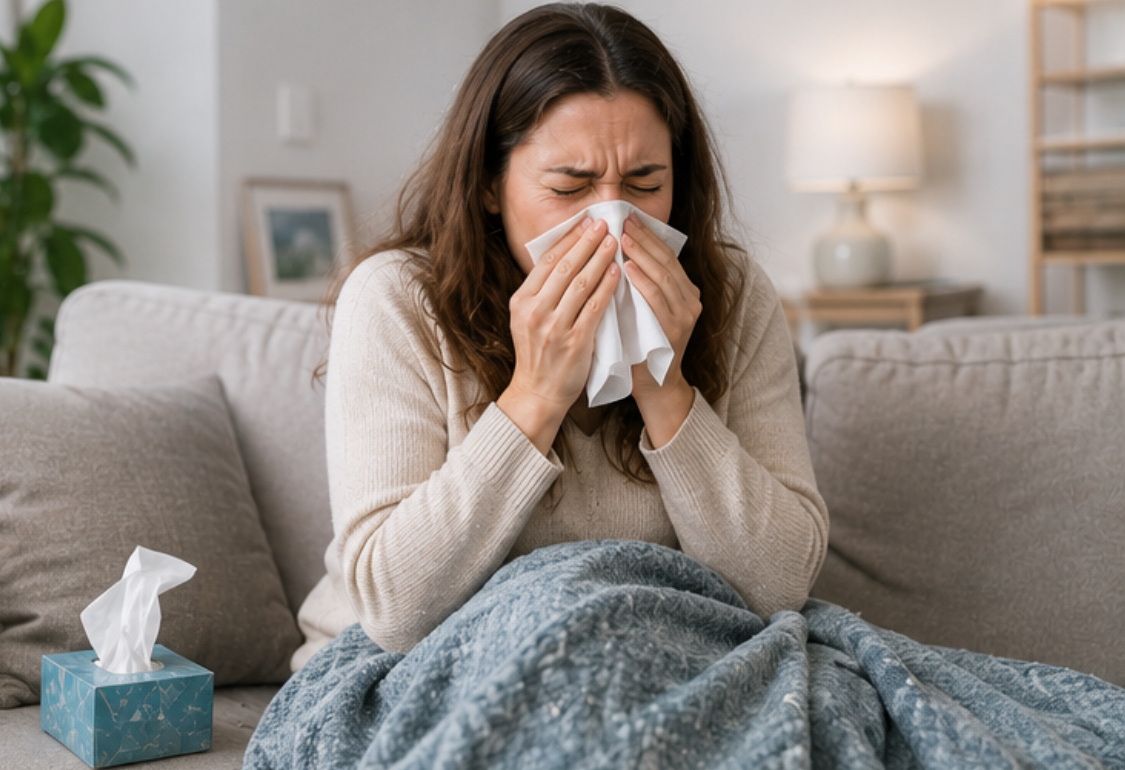
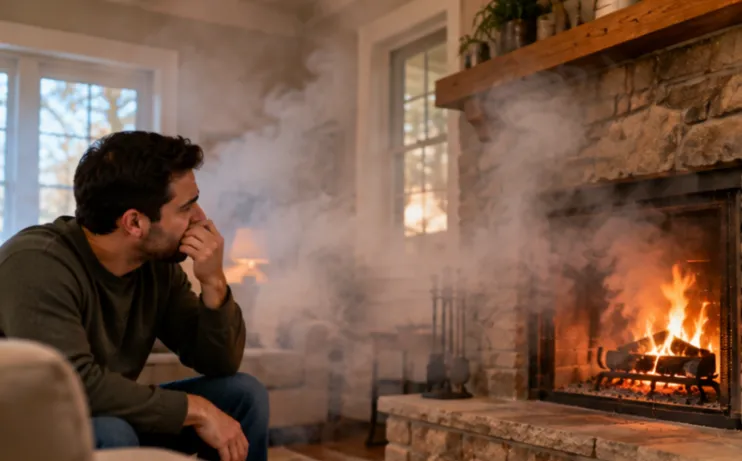
If your allergies feel worse at home than outside, your air ducts might be working against you instead of for you. Every time the HVAC system kicks on, it can push dust, pollen, and pet dander through every room, so symptoms spike when you least expect it. You might also notice dust gathering near the vents or congestion that simply will not quit, even with the windows closed.
Before blaming the season or the pets, it is worth asking what is hiding inside the ductwork. This guide explains why indoor allergies often trace back to your air ducts, the signs worth watching in a Northglenn home, and when a cleaning actually makes a difference.
Why Do Allergy Symptoms Feel Worse Indoors?

Northglenn’s pollen and dust get most of the blame, but many homeowners notice their symptoms get worse once they are inside with the windows shut. You expect relief, yet the eyes, nose, and throat keep reacting. That happens because the body does not care whether a particle started outdoors or indoors; it responds to whatever is in the air you are breathing right now.
Indoors, there is less fresh air to dilute irritants. The HVAC system recirculates the same air, so any particles that make it inside keep passing by again and again. On dry Front Range days, those particles stay suspended longer, especially while the heat or AC runs. The result is the persistent congestion, sneezing, and irritation that seem to follow you around the house.
How Do Dust, Pollen, and Pet Dander Build Up Inside Ducts?
Two pathways let allergens settle and hide inside ductwork: what gets pulled in through the returns, and what leaks in through gaps. Every time the system runs, it draws air from your living spaces back through the return vents, carrying loose carpet fibers, pet hair, dander, and the tree pollen and wind-blown dust common along the Front Range.
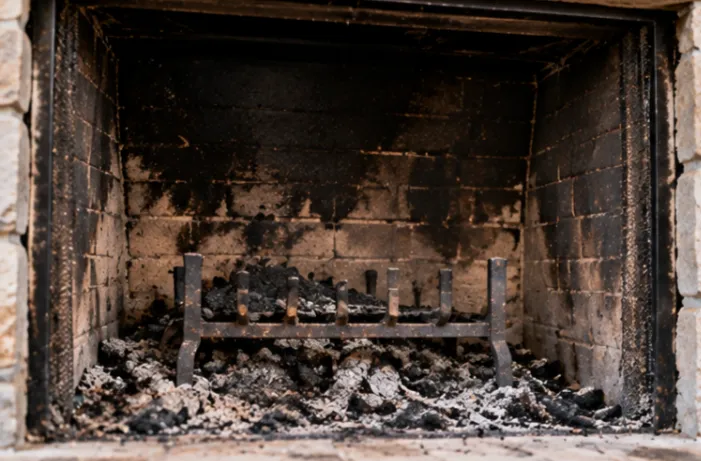
As that air travels through the ducts, heavier particles drop out of the stream and cling to seams, screws, and the slightly rough interior of metal or flex duct. Unsealed joints or disconnected sections let in extra attic or crawlspace dust on top of that. Over years, the layers build into a reservoir of fine debris coating the duct walls, which the system then stirs back up each time the blower starts.
What Signs Suggest Your Ducts Are Affecting Your Air?

Not every allergy problem starts in the ductwork, but certain patterns often point homeowners in that direction. The biggest clue is when symptoms consistently worsen while the HVAC system is running and improve when airflow stops or when you spend time away from home.
Common Warning Signs
| What You Notice | Why It May Point to Dirty Ducts |
|---|---|
| Sneezing shortly after the system starts | Dust and allergens may be recirculating through supply vents |
| Dust collecting around registers | Airflow is carrying particles into living spaces |
| Allergy symptoms worse indoors | Indoor contaminants may be building up in the system |
| Dust returns quickly after cleaning | Particles continue circulating through the home |
| Musty or dusty odors when airflow starts | Debris may be present inside ducts or HVAC components |
| Symptoms worsen after a remodel | Construction dust often settles inside ductwork |
While none of these signs prove the ducts are the cause, seeing several together often justifies a professional inspection.
Why Do Dirty Ducts Spread Allergens Through the Whole Home?
When dust and allergens build up inside the ductwork, the HVAC system does more than move air. It redistributes those particles into every room. Each time the blower starts, it lifts dust, dander, pollen, and fine debris off the duct walls and pushes them through the supply vents. Instead of settling harmlessly, the particles stay in circulation, which lasts even longer in Colorado’s dry air.
That is why the effects show up all over the house: dust rings around vents, fine dust returning a day after cleaning, pet hair on registers, a musty or dusty smell when airflow starts, and more sneezing in rooms with active vents. The ductwork essentially becomes a hidden distributor, spreading the same irritants through the home every time the system runs.
How Does Professional Duct Cleaning Help?

Professional duct cleaning does more than remove visible dust. It targets the buildup of pollen, pet dander, construction debris, and other airborne contaminants that collect inside the duct system over time and continue circulating whenever the HVAC system runs. The EPA notes that duct cleaning has not been shown to prevent health problems, so we won’t promise that it will. What it reliably delivers is a cleaner duct system with less of that buildup recirculating through your home.
In Northglenn homes, we often find layers of dust made up of Front Range pollen, wildfire smoke residue, pet hair, and remodeling debris that homeowners never see because it is hidden inside the ductwork. One of the most common complaints we hear is, “I dust constantly, but the dust keeps coming back.” In many cases, contaminated ducts are contributing to that cycle.
A thorough duct cleaning can help:
- Reduce Recirculating Allergens: Removes dust, pollen, and pet dander that may be aggravating allergy symptoms.
- Improve Indoor Air Quality: Helps create a cleaner indoor environment throughout the home.
- Reduce Dust Buildup: Less debris circulating through the vents means less dust settling on furniture and floors.
- Support HVAC Efficiency: Cleaner airflow pathways help the system move air more effectively.
- Improve Filter Performance: Allows HVAC filters to capture new contaminants instead of fighting years of accumulated debris.
When combined with cleaning accessible blower components, registers, and HVAC surfaces, professional air duct cleaning can help create a cleaner, more comfortable indoor environment for allergy sufferers and the entire household.
When Should Northglenn Homeowners Schedule Duct Cleaning?
While many homeowners wait until allergy symptoms become difficult to ignore, duct contamination often starts much earlier. In Northglenn, some of the most common situations that justify a duct inspection have nothing to do with the age of the HVAC system itself.
Consider scheduling an inspection if:
- You recently completed a remodeling project involving drywall, flooring, sanding, or insulation work.
- Wildfire smoke lingered in the home during Colorado’s summer fire season.
- You moved into an older home and are unsure when the ducts were last cleaned.
- The home has multiple pets that shed year-round.
- Family members notice allergy symptoms primarily when the furnace or AC is running.
Many homeowners are surprised to learn how much debris can accumulate inside ductwork after years of Front Range dust, pollen, pet dander, and construction activity. If your home falls into one of these categories, a professional inspection can help determine whether the duct system is contributing to the dust and allergy issues you’re experiencing.
Why Choose Fresh Air First for Air Duct Cleaning in Northglenn, CO

When allergy symptoms keep showing up inside your home, it is easy to blame the season, the pets, or the weather. But if sneezing, congestion, dusty surfaces, and stale airflow seem to worsen whenever the HVAC system runs, the ductwork may be part of the problem.
Fresh Air First helps Northglenn homeowners identify and remove the dust, pollen, pet dander, wildfire smoke residue, and other contaminants that can accumulate inside duct systems over time. Rather than focusing only on the vents you can see, the team evaluates the airflow path, duct condition, and HVAC components that affect the air moving through your home every day.
If your family is dusting constantly, dealing with persistent allergy symptoms, or noticing stale air when the furnace or AC starts, a professional air duct cleaning service can help reduce the contaminants circulating through your home. For homeowners looking to better understand what is affecting their indoor environment, indoor air quality testing can also help identify airborne pollutants and other factors contributing to allergy and comfort issues.
Let Fresh Air First help you uncover what is really circulating through your home and create a cleaner, healthier indoor environment.