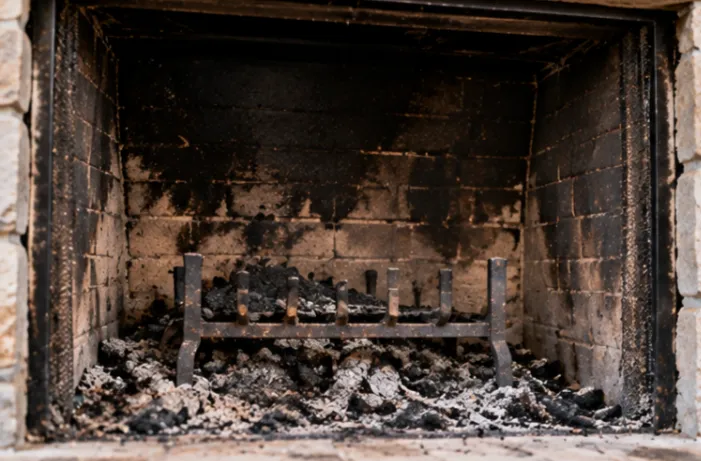
Skip to content
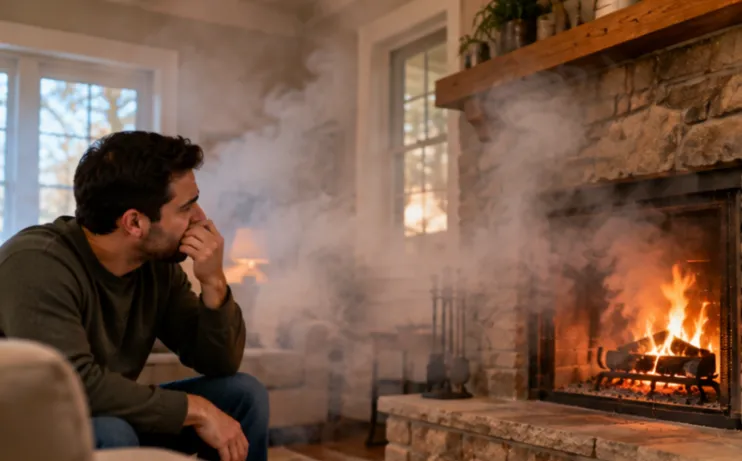
When you light a fireplace, the smoke should travel up through the chimney rather than spill back into the living room. If smoke starts coming into the room, the problem usually involves chimney draft, airflow, the damper, or something restricting the flue.
This can be especially noticeable when a fireplace has been unused for months. Before continuing to burn fires, Northglenn homeowners should understand what causes smoke to reverse direction, what can be checked safely, and when the chimney needs professional attention.
What Causes Fireplace Smoke to Come Back Into the Room?
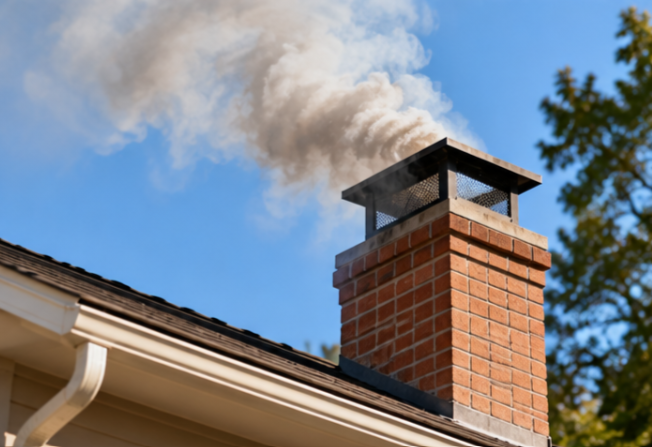
A fireplace depends on a strong enough chimney draft to move smoke and combustion gases upward. When that draft is weak or interrupted, smoke can take the easier path back through the fireplace opening.
Several conditions can contribute to the problem:
| Possible Cause | What It Can Do |
|---|---|
| Cold chimney | Dense cold air can make it difficult to establish an upward draft |
| Closed or restricted damper | Limits the path smoke needs to enter the chimney |
| Creosote buildup | Narrows the flue and restricts airflow |
| Leaves or animal nests | Can partially or completely obstruct the flue |
| Insufficient makeup air | Creates negative pressure inside the home |
| Exhaust fans | Can pull air away from the fireplace and affect draft |
| Wind conditions | Can create downdrafts that push air toward the fireplace |
| Damaged flue liner | Can interfere with proper venting and chimney performance |
The timing of the smoke matters. Smoke that appears only during startup can point toward a cold-flue or draft issue, while smoke that continues after the fire is established needs closer attention.
Why Does a Cold Chimney Make the Fireplace Smoke?
A chimney that has been sitting unused can contain a column of cold, dense air. When you first light a small fire, there may not be enough heat to establish the upward movement needed to push that air out of the flue.
As the chimney warms, the draft can become stronger and the smoke may begin traveling upward normally. This is one reason smoke can be more noticeable during the first fire after a long period without use.
Warming the flue before laying the fire often prevents the problem. Open the damper fully, then hold a rolled sheet of lit newspaper up toward the damper opening for a minute or two. That small amount of heat starts the air column moving upward, so the fire draws from the beginning instead of pushing smoke into the room.
If the fireplace repeatedly struggles to establish a draft, however, do not assume the chimney is simply cold. A blocked flue, damper problem, or other condition can produce similar symptoms.
Can a Closed or Partially Open Damper Cause Smoke?
Yes. The damper controls the opening between the firebox and chimney, so it needs to be open before starting a fire. A damper that is closed, stuck, corroded, or unable to open completely can restrict the path smoke needs to escape.
Before lighting a fire, make sure the damper moves properly and is fully open. If it sticks, feels damaged, or will not open completely, avoid using the fireplace until the problem has been addressed.
Can a Tight House Cause Smoke to Come Back Inside?
A fireplace needs air to support combustion and maintain the airflow moving through the chimney. In a tightly sealed home, the house may not replace the air being pulled toward the fireplace quickly enough, which can weaken the draft.
Other exhaust equipment can contribute to the pressure difference. A bathroom fan, kitchen range hood, or other exhaust appliance operating at the same time may make an already weak fireplace draft worse.
One useful observation is whether the smoke changes when a nearby window is opened slightly. If it does, the home’s air balance may be contributing to the problem, although that does not rule out a chimney obstruction or other issue.
What Should You Check Before Calling a Professional?
Before scheduling a chimney professional, homeowners can make a few basic observations from a safe position around the fireplace. These checks may reveal simple airflow issues or signs of a larger problem. They can also give a chimney technician useful information about when the smoke problem occurs and what changes affect the draft.
You can check:
- Whether the damper is fully open.
- Whether the damper moves freely.
- Whether smoke clears after the flue warms.
- Whether opening a nearby window changes the draft.
- Whether bathroom or kitchen exhaust fans are running.
- Whether you can see obvious debris or nesting material from the fireplace opening.
- Whether there is unusual soot around the fireplace.
Do not climb onto the roof or attempt to remove an obstruction from inside the chimney yourself. The condition of the flue liner, hidden creosote, chimney passage, and structural components cannot be reliably evaluated from the fireplace opening alone.
One safety point worth stating plainly: smoke entering the room means combustion gases are entering the room too, and those gases include carbon monoxide. Make sure carbon monoxide alarms are working before you burn another fire, and stop using the fireplace entirely if smoke keeps coming back after the flue has warmed.
What Does the Smoke Pattern Tell You?
Paying attention to how smoke behaves can provide useful clues about what may be affecting your fireplace draft. Smoke that consistently enters the room, lingers near the opening, or changes noticeably when doors, windows, or exhaust fans are used may indicate an airflow issue. These observations can help guide a professional inspection.
| What You Notice | Possible Cause | What to Do |
|---|---|---|
| Smoke appears briefly at startup | Cold flue or weak initial draft | Allow the chimney to establish draft; investigate if it happens repeatedly |
| Smoke comes back immediately | Damper or restricted airflow | Check damper operation and stop using it if it will not open properly |
| Smoke continues after chimney warms | Creosote, debris, or draft problem | Schedule chimney inspection and cleaning |
| Smoke gets worse with exhaust fans | Negative pressure | Turn off competing exhaust and have persistent issues evaluated |
| Smoke or odor appears in other rooms | Possible airflow or chimney problem | Stop using the fireplace and have the system inspected |
| Visible damage or flaking liner | Possible flue deterioration | Do not burn another fire until the chimney is evaluated |
A fireplace that continues to smoke after warming deserves more attention than one that briefly struggles during startup. Persistent smoke can indicate that something is restricting the flue or preventing the chimney from drafting correctly.
When Does a Fireplace Need Professional Cleaning or Inspection?
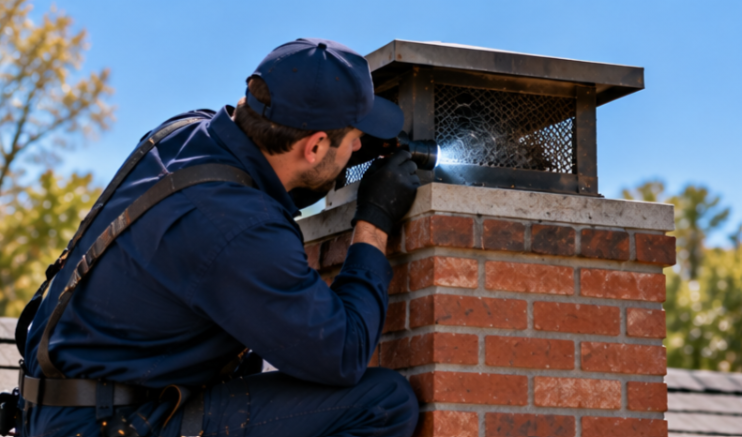
If your fireplace has not been cleaned in years, or you cannot remember when it was last inspected, have it checked before relying on it regularly. Creosote, soot, leaves, and animal nesting material can accumulate in areas that are not visible from the firebox.
Professional fireplace cleaning can remove accumulated residue, while chimney sweeping addresses buildup inside the flue. An inspection can also help determine whether the chimney has a blockage, damaged liner, or another condition affecting safe operation.
Cleaning is particularly important when you notice repeated smoke problems, unusual fireplace odors, visible buildup, or evidence that animals may have entered the chimney.
What Should You Do If the Fireplace Still Smokes After Cleaning?
Cleaning removes buildup, but it does not automatically solve every draft problem. If smoke continues entering the room after the chimney has been cleaned, the cause may involve the damper, chimney design, air pressure inside the home, wind exposure, or the condition of the flue.
At that point, the goal should be to identify why the chimney is not drafting correctly rather than repeatedly trying to start another fire. A professional evaluation can determine whether the problem is related to airflow, obstruction, or the chimney itself, which is where our chimney services come in.
For homeowners who need help with the fireplace, chimney, or related venting concerns, Fresh Air First provides fireplace services in Northglenn.
What Should You Ask Before Scheduling Chimney Service?
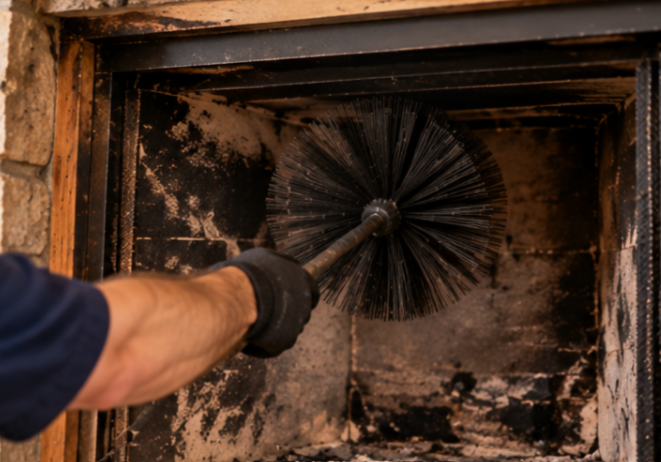
You do not need to diagnose the chimney yourself before calling a professional. Instead, give the technician useful information about what you are seeing and ask what the service will include.
Before scheduling service, ask:
- Will you inspect the chimney as well as clean it? Cleaning and inspection address different concerns.
- Will you check for blockages? Ask whether the service includes looking for nests, debris, or other obstructions.
- Will you evaluate the flue liner? A visible firebox cannot show the entire condition of the chimney.
- Should I stop using the fireplace until service? Persistent smoke is a reason to get guidance before another fire.
- What happens if you find creosote or structural damage? Ask how additional work will be handled before approving it.
Providing details such as when the fireplace last worked normally, whether the smoke clears after several minutes, and whether exhaust fans affect the problem can also help the technician understand the situation before arriving.
Frequently Asked Questions
Why does my fireplace smoke only when I first light it?
A cold chimney can contain dense air that makes it difficult to establish an upward draft when the fire first starts. As the flue warms, the draft may improve and the smoke can begin moving upward normally. If the problem happens repeatedly, the chimney should still be evaluated.
Can opening a window stop my fireplace from smoking?
Opening a nearby window can sometimes improve airflow when the home does not have enough makeup air. If the smoke changes noticeably, pressure inside the home may be contributing. However, this does not eliminate the possibility of a blocked chimney or another draft problem.
Why does my fireplace smoke even when the damper is open?
An open damper does not guarantee proper chimney draft. Creosote, debris, wind, insufficient makeup air, chimney design, or a damaged flue liner can still interfere with the movement of smoke.
How often should a wood-burning chimney be cleaned in Northglenn?
It depends on how often you burn and how much creosote develops. Buildup reaching roughly an eighth of an inch, or hardening into a glaze, is generally considered due for removal. An annual inspection is a sensible baseline even for fireplaces used only a few times each winter.
Is it safe to keep using a fireplace that smokes into the room?
It is best to stop using it until the cause is understood. Smoke entering the living space means combustion products are not leaving through the chimney as intended, and those products can include carbon monoxide. Persistent smoke should be professionally evaluated before another fire is burned.
Still Getting Smoke? Here Is the Next Step
If smoke keeps coming back into your room when you light a fire, the right next step is to determine why the fireplace is not drafting properly. A cold flue, damper problem, restricted chimney, lack of makeup air, or another condition can produce similar symptoms, so the cause matters when deciding what needs to be done.
At Fresh Air First, we help Northglenn homeowners address fireplace and chimney concerns with services focused on the condition of the system. Our team can help identify buildup and other issues that may be affecting how your fireplace and chimney operate.
If your fireplace has started sending smoke into the room, our fireplace cleaning service, fireplace services, and chimney sweeping service can help determine the appropriate next step. Call Fresh Air First at (720) 740-0836 to schedule service.