Skip to content
What Should I Do If My Fireplace Hasn’t Been Cleaned in Years?
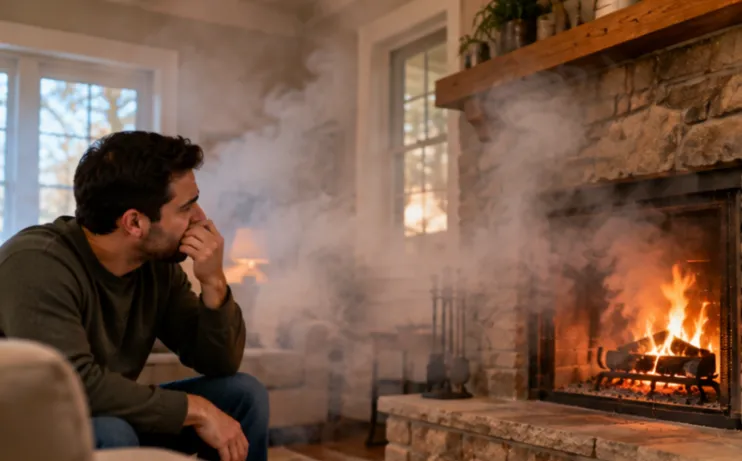
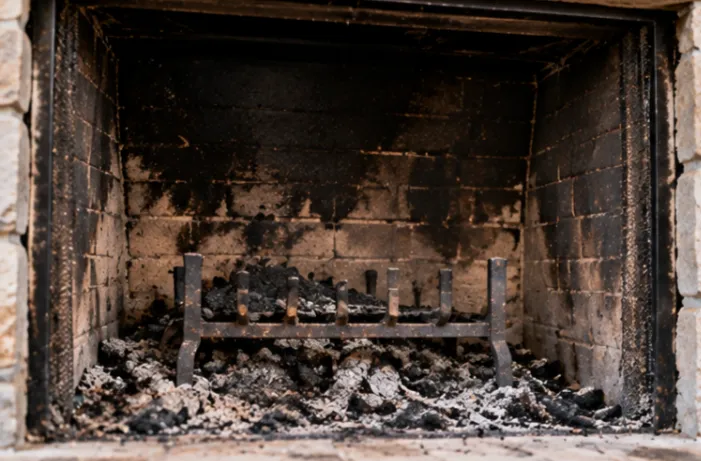
You pull out the firewood when the first cold evening arrives and realize your fireplace has not been cleaned in three, four, or even more years. The firebox may only look dusty, but the bigger concern is what you cannot see above it. Creosote, soot, leaves, animal nests, and other debris can accumulate inside the chimney while the fireplace sits unused.
Do not light the fireplace until it has been inspected and cleaned. A long period without use does not mean the chimney stayed clean. In fact, months of exposure to weather and animals can create additional problems beyond the residue left by previous fires. For Northglenn homeowners, getting the fireplace and chimney checked before the first fire is a practical way to find problems before heat and smoke are introduced into the system.
Is It Safe to Use a Fireplace That Hasn’t Been Cleaned in Years?
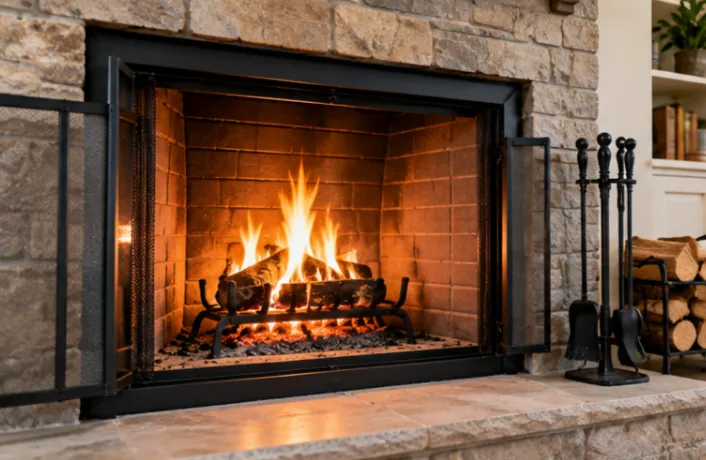
It is better to have the fireplace inspected before using it again. Looking at the firebox from inside the home cannot tell you whether the flue is clear, whether creosote has accumulated higher in the chimney, or whether the liner has developed cracks or other damage.
A fireplace that has been unused for several seasons may also have accumulated leaves, twigs, or nesting material. If something is restricting the flue, smoke and combustion gases may not vent properly when the fire is lit.
Before starting a fire after years without cleaning:
- Do not burn wood until the chimney is checked.
- Have accumulated soot and creosote professionally removed.
- Have the flue inspected for obstructions or damage.
- Check that the damper operates properly.
- Make sure carbon monoxide alarms are working.
A professional fireplace cleaning service can address the buildup inside the fireplace, while an inspection can identify conditions that are not visible from the room.
What Builds Up in a Fireplace and Chimney Over Time?
Years without cleaning can leave several different materials inside and around the fireplace. Some come from previous fires, while others enter the chimney while it is sitting unused.
Common buildup can include:
- Creosote: Combustion residue that can accumulate on chimney walls.
- Soot: Fine particles left behind by burning wood.
- Leaves and twigs: Windblown material that can enter from the chimney opening.
- Animal nesting material: Birds, squirrels, and other animals may use an unprotected chimney.
- Moisture-related damage: Water entering the chimney can contribute to deterioration.
- Damaged liner material: Masonry chimneys may develop cracks or deterioration over time.
The condition of the chimney matters just as much as the amount of visible soot. A fireplace can look relatively clean at the bottom while having significant buildup or an obstruction farther up the flue.
Why Is Creosote the Biggest Concern?
Creosote is a combustible residue produced when wood burns and smoke condenses inside a cooler chimney. It can accumulate gradually, especially when fires burn inefficiently or the chimney does not stay sufficiently warm to carry combustion byproducts out effectively.
The longer a fireplace goes without appropriate cleaning, the more difficult accumulated deposits can become to remove. Creosote can appear as a light, flaky deposit, a sticky or tar-like substance, or a harder glazed coating. As a general guide, buildup that reaches roughly an eighth of an inch, or that has hardened into a glaze, is considered due for removal regardless of how recently the fireplace was used.
How Creosote Can Lead to a Chimney Fire
A chimney fire can occur when accumulated creosote ignites inside the flue. The resulting heat can damage chimney components and, depending on the construction and condition of the chimney, create a risk for surrounding materials.
That is why brushing away visible soot from the firebox is not enough. The important question is what has accumulated throughout the flue.
If your fireplace has gone several years without professional cleaning, fireplace services in Northglenn can provide a more appropriate evaluation before you put the fireplace back into regular use.
What Other Problems Can Develop While a Fireplace Sits Unused?
Creosote is not the only reason an old fireplace should be inspected. A chimney remains exposed to outdoor conditions even when nobody is using the fireplace.
During a long period of disuse, homeowners may encounter:
- Animal nests or debris: Material can restrict the flue and interfere with proper ventilation.
- Water intrusion: Moisture can damage masonry and metal components.
- Damaged chimney liners: Cracks or deterioration can affect how safely combustion gases are contained.
- Damper problems: Rust, debris, or mechanical wear can make the damper difficult to operate.
- Heavy soot deposits: Existing residue remains inside the flue until it is professionally removed.
Northglenn’s seasonal temperature changes also mean a chimney is exposed to repeated heating, cooling, moisture, and freezing conditions. The condition of an older masonry chimney therefore cannot be determined reliably from the firebox alone.
What Can You Safely Check Yourself?
There are a few things homeowners can inspect without climbing onto the roof or taking apart the fireplace. These checks are useful for identifying obvious concerns, but they do not replace a chimney inspection.
You can safely:
- Remove cold ash from the firebox and dispose of it appropriately.
- Look for obvious debris or nesting material around the visible firebox.
- Check whether the damper opens and closes normally.
- Look for visible cracks or deterioration around accessible masonry.
- Confirm your smoke and carbon monoxide alarms are working.
- Note any smoky or unusual odor coming from the fireplace.
Do not attempt to remove creosote from the chimney yourself if you do not have the proper chimney-cleaning equipment and experience. Cleaning the visible portion of the firebox does not tell you what is happening throughout the flue.
What Should a Professional Fireplace Cleaning Include?
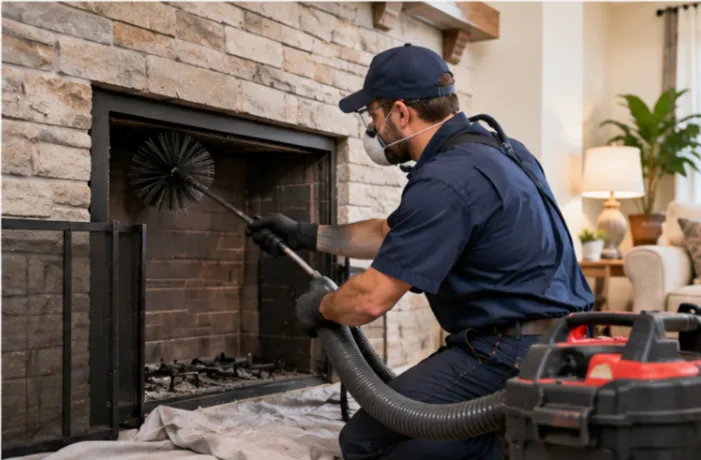
If a fireplace has gone years without cleaning, the service should involve more than simply wiping down the hearth or removing loose ash. The chimney and fireplace need to be evaluated as a connected system.
A professional cleaning may involve:
- Examining the accessible fireplace components
- Checking the flue for visible obstructions
- Removing accumulated soot and creosote
- Looking for signs of animal nesting or debris
- Checking accessible chimney and liner components
- Flagging any conditions that need further attention
The exact cleaning process depends on the fireplace type, chimney construction, amount of buildup, and accessibility. A heavily neglected chimney may require more work than one that has received regular annual service. Fresh Air First works on wood-burning fireplaces, inserts, and outdoor fireboxes rather than gas units, and our chimney services cover the flue side of the same system.
When Should You Schedule Chimney Sweeping?
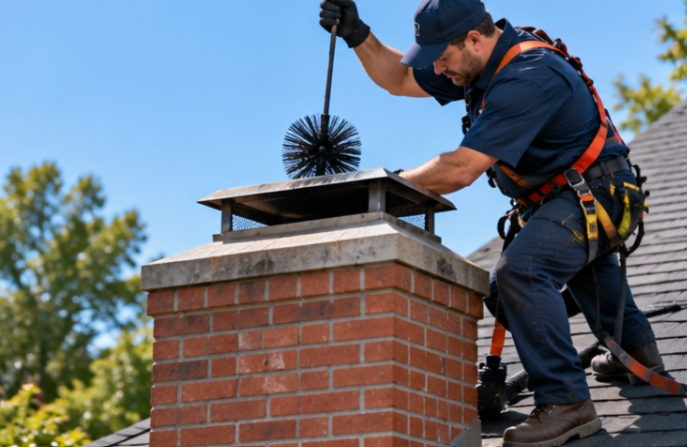
If your fireplace has not been cleaned for several years, you do not need to wait for a specific calendar date before addressing it. The important timing is before the next fire.
Regularly used wood-burning fireplaces should generally be evaluated and cleaned according to their use and the amount of buildup present. The National Fire Protection Association recommends annual chimney inspection for chimneys, fireplaces, and vents, although the appropriate cleaning frequency depends on the appliance, fuel, and conditions.
For a fireplace that has been sitting unused for years, chimney sweeping in Northglenn is particularly relevant before putting it back into service.
Early fall can also be a practical time to schedule the work. It gives you an opportunity to address buildup, obstructions, or repairs before the first cold evening when you actually want to use the fireplace.
What If the Fireplace Smells Musty or Smoky?
A smoky or musty odor after years of disuse should not automatically be treated as a normal part of having an old fireplace. The smell can come from accumulated soot and creosote, moisture, or debris inside the chimney.
Pay attention to when the odor occurs:
- Smell when the fireplace is not being used: May indicate old residue or moisture.
- Smoke entering the room during a fire: May indicate a draft or venting problem.
- Stronger odor during humid weather: Moisture may be contributing to the smell.
- Animal-related odor: A nest or other debris may be present.
If smoke is entering the room while the fireplace is operating, stop using it and have the fireplace and chimney evaluated. A blocked or improperly venting flue should not be treated as a simple odor problem.
Frequently Asked Questions
How long does it take to clean a fireplace that has not been used in years?
Most visits run between one and three hours, depending on how much buildup is present, the chimney construction, and how easy the flue is to reach. A fireplace with several years of accumulated creosote takes longer than one on an annual schedule, and heavy glazed deposits can add more time still.
How often should a fireplace be cleaned?
The appropriate frequency depends on how often and how efficiently the fireplace is used and how much buildup develops. Annual chimney inspection is a useful baseline, while a fireplace that has gone several years without service should be checked before it is used again.
Can I tell if my chimney has creosote buildup myself?
You may see some buildup by looking into the accessible portion of the chimney, but that does not show the entire flue. Creosote can accumulate higher up where it cannot be seen from the firebox, so a professional inspection is more reliable for determining the condition of the chimney.
What should I do if I find an animal nest in my chimney?
Do not light a fire to burn the nesting material away. A nest can obstruct the flue and may create a smoke or fire hazard. Have the chimney professionally evaluated and the obstruction addressed before using the fireplace.
Is chimney sweeping necessary if I haven’t used my fireplace in years?
Yes, it can still be necessary. A chimney can accumulate debris, nesting material, moisture-related deterioration, and residue from previous fires even while it is not being used. An inspection and cleaning before the first fire can identify these issues before the fireplace is put back into service.
Ready to Use Your Fireplace Again?
When a fireplace has gone years without cleaning, the visible condition of the firebox tells only part of the story. At Fresh Air First, we look beyond the area you can see and focus on the buildup, debris, and chimney conditions that can affect how safely your fireplace operates.
Our fireplace cleaning service helps homeowners address accumulated residue before putting a neglected fireplace back into regular use. If the chimney or fireplace needs additional attention, our fireplace services provide another way to address the system rather than treating the visible soot as the entire problem.
If your fireplace has been sitting unused for three or four years, don’t make the first cold night of the season the first test. Call Fresh Air First at (720) 740-0836 or book online to schedule a cleaning and find out what condition the fireplace and chimney are in before you light that first fire.