Skip to content
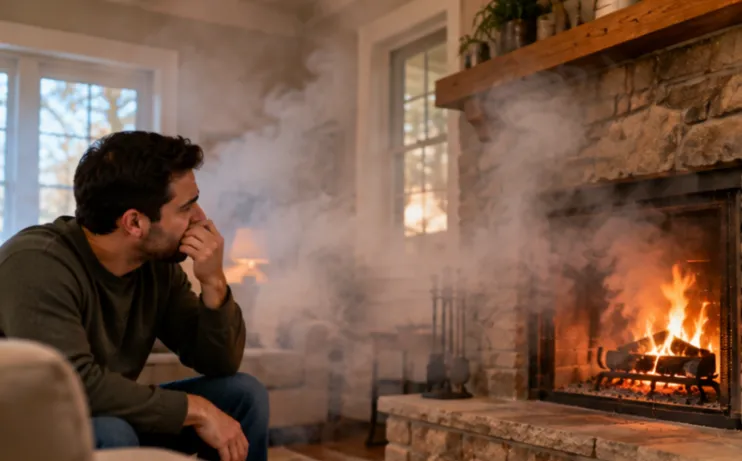
You probably don’t think about your air ducts until something feels off, dust seems to reappear overnight, certain rooms never feel quite comfortable, or there’s a faint musty smell when the system kicks on. It’s easy to blame your filters or the weather, but the real issue might be hiding out of sight in your ductwork. Before you ignore those subtle warning signs, it’s worth knowing what they could really mean for your home.
Why Dirty Air Ducts Often Go Unnoticed in Northglenn Homes
Unlike your HVAC air filter, thermostat, or furnace equipment, your ductwork is hidden behind walls, above ceilings, and throughout basements and crawl spaces. Because you cannot easily see inside the supply and return ducts, contamination often builds up gradually without drawing much attention. As long as the gas furnace and central air conditioner continue to run, most homeowners assume the entire system is clean.
In reality, dust, pet dander, insulation fibers, and other particles can accumulate for years before obvious symptoms appear. Many homeowners in Northglenn first notice the problem only after indoor air quality begins to decline or certain rooms stop feeling as comfortable as they once did.
Local Factors That Cause Ducts to Get Dirty Faster
Northglenn and the greater Denver metro area present several conditions that can accelerate buildup inside residential duct systems:
- Chinook Winds and Front Range Dust – Fine particles are easily pulled into return vents and settle inside duct runs.
- New Construction and Remodeling – Drywall dust, sawdust, and insulation fibers often enter the HVAC system during nearby projects.
- Wildfire Smoke Residue – Microscopic ash and soot can accumulate inside ducts and on blower components.
- Long Heating Season – Furnaces may operate daily from October through April, continuously circulating airborne particles.
- Pet Hair and Dander – Dogs and cats add organic debris that collects in branch ducts and return trunks.
By the time these warning signs become obvious, there may already be significant debris inside the ductwork. Professional air duct cleaning can remove accumulated contaminants and help restore cleaner air, stronger airflow, and more consistent comfort throughout your home.
Visible Dust Around Vents and Registers
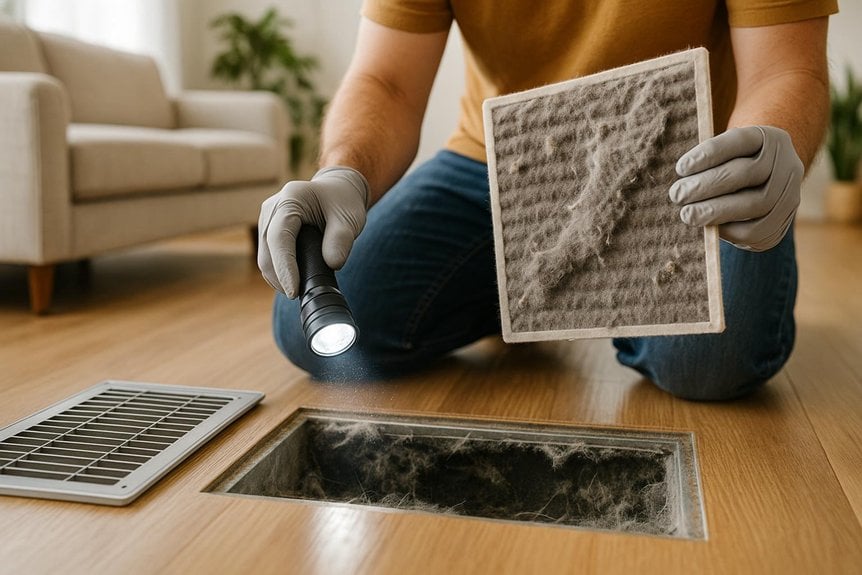
Dust on the tops of your vents is normal, but visible buildup around the edges and on the grille itself is a red flag. When you see gray or black “shadows” framing the vent, that’s often dust and fine particles sticking to slightly moist surfaces every time your system runs. In Northglenn homes, wildfire smoke, construction dust, and pet hair make this buildup appear faster.
| What You See | What It Often Means |
|---|---|
| Dark rings around ceiling vents | Dirty supply ducts or leaky return pathways |
| Fuzzy lint or pet hair in grilles | Debris collecting inside duct openings |
| Dust streaks on nearby ceilings | Air pushing contaminants out of ductwork |
If you wipe vents clean and the buildup returns quickly, your ducts likely need a closer look. Professional cleaning services use specialized equipment and techniques to thoroughly remove lint and debris, ensuring cleaner air and improved system performance.
Weak Airflow and Uneven Heating or Cooling

One of the most frustrating signs of dirty ductwork is when some rooms feel perfectly comfortable while others never seem to catch up. You may notice a back bedroom that stays chilly during a Colorado winter, an upstairs office that feels stuffy in July, or a basement that takes much longer to reach the thermostat setting. In many cases, the heating and cooling equipment is working properly, but conditioned air is having trouble moving freely through the duct system.
As dust, pet hair, insulation fibers, and remodeling debris collect inside branch ducts and tight elbows, the effective opening of the duct becomes smaller. Even a partial restriction can reduce airflow enough to create noticeable temperature differences of 4 to 8°F between rooms. The gas furnace or central air conditioner may run longer and consume more energy, yet certain areas still feel uncomfortable.
Common Comfort Clues to Watch For
- Weak Air from Specific Vents – Airflow feels noticeably softer in bedrooms or rooms farthest from the furnace.
- Hot and Cold Spots – Some rooms remain warmer or cooler than the rest of the house.
- Longer Run Times – The HVAC system runs more often without improving comfort.
- Higher Utility Bills – Energy use increases while temperature balance worsens.
- Stuffy Bedrooms and Basements – Rooms with limited airflow feel less fresh and less comfortable.
If these problems continue even after replacing the HVAC air filter and confirming all vents are open, the ductwork itself may be restricting airflow. A professional air duct inspection and cleaning can help determine whether accumulated debris is reducing the amount of conditioned air reaching each room.
Musty Odors and Indoor Air Quality Changes
Sometimes the most obvious clue comes from your sense of smell. If you notice a stale, dusty, or musty odor each time the furnace or air conditioner starts, contaminants inside the duct system may be circulating throughout the home.
In Colorado homes, dust mixed with pet dander and occasional moisture can create lingering odors that ordinary cleaning does not eliminate. These smells are often strongest near supply registers and may be more noticeable when the system first starts after sitting idle.
When unusual odors are accompanied by visible dust and comfort issues, professional air duct cleaning can help remove the buildup contributing to both poor airflow and declining indoor air quality.
Increased Allergy Symptoms and Excess Dust Indoors

Although every home has some level of dust, a noticeable increase in allergy symptoms combined with surfaces becoming dusty again soon after cleaning often points to contamination inside the ductwork. If you begin sneezing more, wake up congested, or notice itchy eyes whenever the furnace or air conditioner starts, your HVAC system may be circulating dust, pet dander, and other particles that have accumulated inside the ducts.
In Northglenn, this issue can become more pronounced during wildfire season and the dry winter months, when fine particles remain airborne longer and are easily drawn into return vents.
Surfaces That Often Collect Dust First
- TV stands and bookshelves – Fine dust settles quickly on flat surfaces.
- Ceiling fan blades – Airborne particles accumulate within just a few days.
- Vent covers and baseboards – Dust gathering here often reflects what is circulating through the HVAC system.
- Nightstands and bedroom furniture – Fast dust buildup can coincide with morning congestion and allergy flare-ups.
If these surfaces look dusty again within 24 to 48 hours of cleaning, your duct system may be redistributing contaminants rather than keeping them trapped in the filter. When excess dust and worsening allergy symptoms appear together, a professional air duct inspection and cleaning can help identify whether your ductwork is contributing to the problem.
How Colorado’s Dry Climate, Construction Dust, and Pet Dander Affect Ductwork
Even homeowners who change their HVAC air filter regularly can still experience significant dust buildup inside their ductwork. That is because homes along Colorado’s Front Range are exposed to environmental conditions that continuously introduce fine particles into the heating and cooling system.
In Northglenn and the surrounding Denver metro area, dry air, strong winds, nearby construction, and pet dander all contribute to contamination inside supply and return ducts.
Dry Colorado Air Keeps Dust Airborne
Colorado’s low humidity allows dust to remain suspended in the air much longer than in more humid climates. Instead of settling quickly, fine particles are easily pulled into return vents and circulated through the HVAC system. Over time, this dust collects in branch ducts, basement trunks, and around blower components.
Construction and Remodeling Create Heavy Debris
New home construction, basement finishing projects, and neighborhood renovations can release large amounts of drywall dust, sawdust, and insulation fibers. These materials are extremely fine and often bypass normal housekeeping, eventually settling inside the ductwork where they can remain for years.
Wildfire Smoke Leaves Fine Residue
During wildfire season, microscopic ash and soot particles can enter homes even when doors and windows remain closed. Once inside, these particles are drawn into the HVAC system and may leave a noticeable smoky odor when the furnace starts.
Pet Hair and Dander Build Up Quickly
Homes with dogs and cats tend to accumulate pet hair, dander, and skin particles at a much faster rate. These materials cling to existing dust inside the ducts and can contribute to both airflow restrictions and indoor allergy symptoms.
These local conditions explain why even well-maintained homes in Northglenn may benefit from periodic duct inspections and cleaning. When evaluating your options, choose an experienced air duct cleaning contractor who understands Colorado-specific conditions and uses professional equipment to clean the entire duct system rather than just the visible vents.
Why Choose Fresh Air First in Northglenn for Air Duct Cleaning

When you suspect your air ducts are dirty, you want clear answers and a cleaning process that addresses the entire system, not just what is visible at the registers.
Fresh Air First provides professional air duct cleaning services for homeowners throughout Northglenn and surrounding communities. Our technicians understand how Colorado’s dry climate, construction dust, pet dander, and wildfire smoke affect residential HVAC systems.
Using professional equipment and proven cleaning methods, we remove dust and debris from supply and return ducts to help improve airflow and indoor air quality. Whether you are noticing excess dust, musty odors, or worsening allergies, our air duct cleaning services are designed to help your home feel cleaner, fresher, and more comfortable year-round.