Skip to content
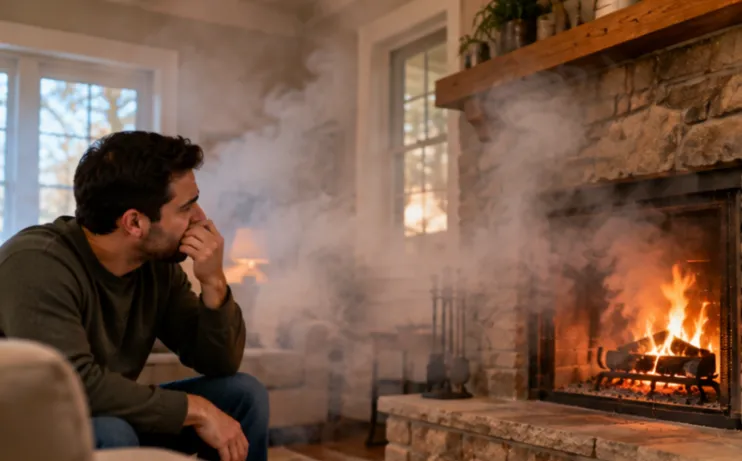
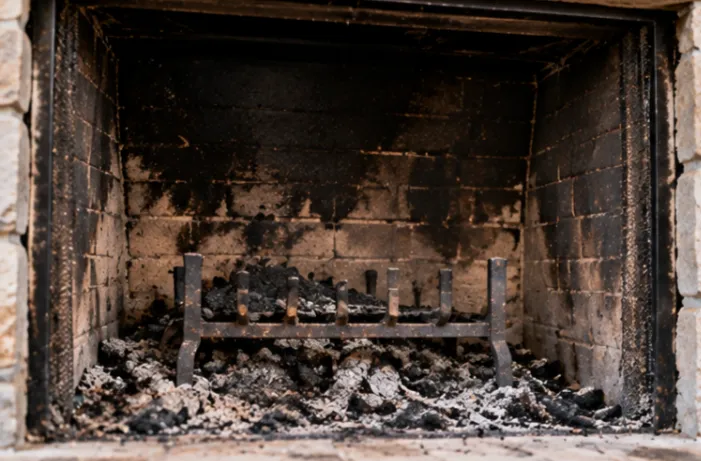
A lot of homeowners assume air duct cleaning is simply about removing the dust they can see around vent covers. In reality, the material accumulating inside your ductwork can affect much more than housekeeping. Pet dander, pollen, wildfire smoke residue, lingering odors, and moisture-related contamination can all circulate through your home every time the heating or cooling system runs.
In Northglenn and throughout the Front Range, dry conditions, seasonal winds, construction activity, and long furnace runtimes create an environment where contaminants build up steadily inside supply and return ducts. Read below to learn why professional air duct cleaning can improve indoor air quality, support HVAC efficiency, and help protect the comfort of your home.
Why Air Duct Cleaning Impacts More Than Just Visible Dust

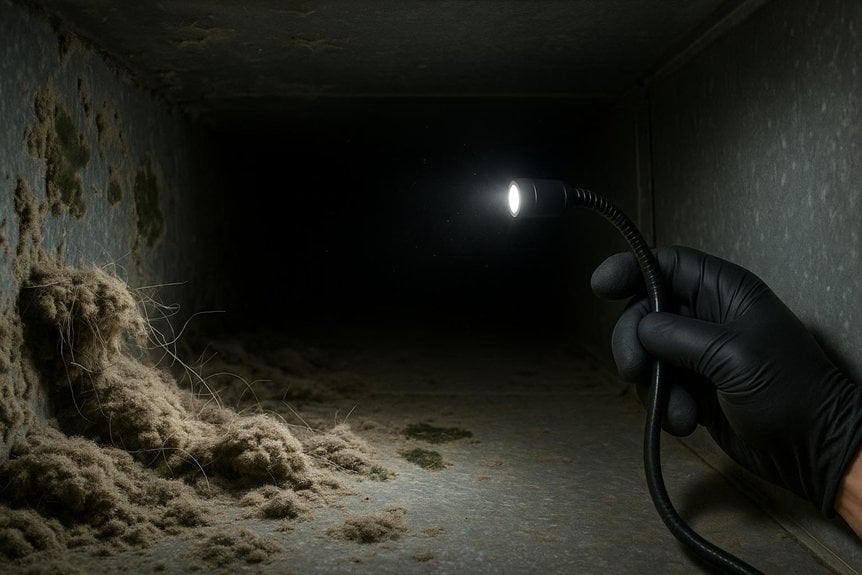
Even if you dust regularly and hardly see anything around your vents, your air ducts can still be holding onto far more than what’s visible on surfaces. Dust on furniture is only a small part of the story. Inside your ductwork, particles can settle, cling to metal, and collect in low spots you’ll never see by looking at a grille.
Dirty Ducts Can Contribute To
- Poor Indoor Air Quality – Dust, allergens, and fine particles continue to recirculate.
- Persistent Odors – Pet smells, smoke, and stale odors may linger in the duct system.
- Uneven Airflow – Certain rooms may feel stuffy or less comfortable.
- Higher Energy Use – Restricted airflow can force equipment to run longer.
- Increased Allergy Symptoms – Airborne irritants may aggravate sneezing and congestion.
You feel the impact even if you can’t see the source. You might notice rooms that feel stuffy, air that smells stale when the furnace kicks on, or dust that returns right after you clean. Those are signs that buildup inside your ducts is circulating through your Northglenn home, affecting comfort, cleanliness, and how well your HVAC system can move air.
Regular air duct cleaning can help improve indoor air quality by reducing allergens, dust, and debris that build up and recirculate through your home.
How Contaminants Build Up Inside Your HVAC System
Your heating and cooling system moves thousands of cubic feet of air through your home every day. As that air passes through return vents, it carries much more than just temperature—it also brings along dust, pet dander, pollen, carpet fibers, and other microscopic particles. Over time, a portion of this material settles inside the ductwork and HVAC components, where it can continue to accumulate year after year.
In Northglenn, Front Range dust, nearby construction, and wildfire smoke can add significantly to this buildup, even in homes that are cleaned regularly.
Return Vents Pull in Everyday Particles
Each time the gas furnace or central air conditioner starts, return vents draw air from every room in the house. Along with that air comes pet hair, dust, pollen, and debris from basements, garages, and living spaces. Although the HVAC air filter captures much of this material, some particles inevitably bypass the filter and settle deeper in the system.
Moisture Helps Debris Stick to Duct Surfaces
When humidity from whole-home humidifiers, evaporator coils, or damp basements is introduced into the system, dust can become sticky and cling more firmly to metal duct surfaces. Once this layer forms, additional particles attach to it more easily, allowing contamination to build up faster over time.
Odors and Smoke Become Embedded in the Buildup
Cooking odors, tobacco smoke, pet smells, and wildfire residue can be absorbed into the dust coating the ductwork. As the HVAC system operates, these trapped odors may be redistributed throughout the home, creating stale or musty air whenever the furnace or air conditioner turns on.
Remodeling and Pest Activity Add Hidden Debris
Drywall dust, sawdust, insulation fibers, and occasional rodent contamination can introduce a substantial amount of debris into the HVAC system. These materials often settle in return drops and main trunk lines, where they remain hidden until a professional inspection is performed.
Just as dust can accumulate inside your HVAC system, lint can build up inside clothes dryer vents and restrict airflow. Professional dryer vent cleaning helps remove this hidden buildup and supports safer, more efficient operation throughout your home.
The Connection Between Dirty Ducts and Reduced HVAC Efficiency

Most homeowners think of air duct cleaning as an indoor air quality service, but it can also have a meaningful impact on how efficiently your heating and cooling system operates. Your HVAC equipment is designed to move a specific volume of air through the duct system. When dust, pet hair, and renovation debris accumulate along duct walls and in tight elbows, airflow becomes more restricted and the system must work harder to deliver the same level of comfort.
In our experience inspecting homes in Northglenn, one of the most common complaints is that the gas furnace or central air conditioner seems to run longer than it used to, yet certain bedrooms still feel stuffy or several degrees warmer or cooler than the rest of the house. This often indicates that conditioned air is meeting more resistance as it moves through the ductwork.
When airflow is reduced, the blower motor stays on longer, electrical consumption increases, and critical components experience additional wear. Over time, this can contribute to higher utility bills and more frequent service calls.
How Dirty Ducts Can Affect HVAC System Performance
| What You Notice at Home | What May Be Happening Inside the Ductwork |
|---|---|
| Utility bills continue to rise | The HVAC system is running longer to move air through restricted ducts |
| Weak airflow from registers | Dust and debris are narrowing sections of the duct system |
| Some rooms stay 4–8°F different from others | Air is not being distributed evenly throughout the home |
| More noise from vents | The blower is working harder to overcome airflow resistance |
| Frequent blower or motor repairs | Components are operating under increased strain |
Cleaner ducts do not replace proper maintenance, but they can remove one source of unnecessary resistance within the HVAC system. When you are evaluating whether duct cleaning is worthwhile, choose an experienced air duct cleaning contractor who can inspect the entire system and explain how buildup may be affecting both indoor air quality and HVAC performance.
How Duct Cleaning Can Improve Indoor Air Quality and Allergies
If your family deals with frequent sneezing, morning congestion, itchy eyes, or a constant layer of dust on furniture, the condition of your ductwork may be contributing more than you realize. Every time your gas furnace or central air conditioner turns on, air passes through the same supply and return ducts that may contain years of accumulated dust, pollen, pet dander, and wildfire smoke residue.
In Northglenn, this issue is especially noticeable during spring pollen season and after summer wildfire events, when fine particles can remain suspended indoors for long periods. If contaminants have built up inside the duct system, they may continue circulating throughout bedrooms, living rooms, and home offices every day.
Benefits Homeowners Often Notice After Duct Cleaning
- Less Dust on Furniture: Shelves, nightstands, and ceiling fan blades may stay cleaner for longer.
- Reduced Allergy Irritation: Lower airborne dust and dander can help minimize sneezing and congestion.
- Fresher-Smelling Indoor Air: Stale and dusty odors often become less noticeable.
- Cleaner Air in Bedrooms: Many homeowners report waking up with less morning stuffiness.
- Better Support for Air Purifiers: Filtration and indoor air quality products can work more effectively when the duct system is cleaner.
Air duct cleaning is not a medical treatment, and the EPA has not found it proven to prevent or cure allergy symptoms. What it does reliably is remove accumulated dust, debris, and allergens from inside your ductwork, which many homeowners notice as less dust on surfaces and fewer musty odors. When indoor dust becomes persistent, professional air duct cleaning can be an important step toward a cleaner, fresher-running home.
Mold, Moisture, and Odor Problems Hidden in Ductwork

Not everything inside your ductwork is dry dust. In some Northglenn homes, moisture and odor-causing contaminants become a much bigger concern than visible debris alone. When dust inside the ducts combines with moisture from a basement leak, a malfunctioning whole-house humidifier, or an air conditioning condensate issue, it can create ideal conditions for microbial growth and persistent musty odors.
These problems often develop gradually and remain hidden for months because the contamination is buried deep inside the supply and return system.
Musty “Basement-Like” Smells
If your home smells damp or stale each time the gas furnace or central air conditioner starts, debris inside the ducts may be absorbing and recirculating odors throughout the house.
Moisture Creates a Sticky Surface
Once dust becomes damp, it acts like a sponge. Additional particles, pet dander, and organic material cling to the surface more easily, allowing contamination to build much faster than in dry ductwork.
Odors Become Embedded in Debris
Pet odors, cooking residue, tobacco smoke, wildfire smoke, and even garage fumes can settle into accumulated dust and continue circulating long after the original source has disappeared.
Microbial Growth May Develop in Hidden Areas
When moisture persists, mold and other microorganisms may begin growing on dust-coated metal surfaces, insulation, and nearby HVAC components, potentially affecting indoor air quality.
If musty odors return every time the system runs, or your home never seems to smell truly fresh, professional air duct cleaning can remove the debris trapping moisture and odors.
What Professional Air Duct Cleaning Includes and When It’s Worth It
Professional air duct cleaning is a whole-system service designed to remove debris from the pathways that deliver heated and cooled air throughout your home. It is not limited to vacuuming around registers or cleaning only what is visible from the room. A thorough cleaning addresses the main supply trunks, return ducts, branch runs, and accessible HVAC components where dust and debris commonly accumulate.
For many homeowners in Northglenn, duct cleaning is especially worthwhile after a remodeling project, during wildfire season, or when excess dust, musty odors, and allergy symptoms become more noticeable indoors.
System Inspection and Visual Assessment
A qualified technician begins by examining the supply and return ductwork, vent covers, and key HVAC components such as the gas furnace blower compartment and return drop. This inspection helps identify heavy buildup, signs of moisture, and areas that need special attention.
Source-Removal Cleaning Equipment
Professional contractors use high-powered negative-pressure vacuums together with agitation tools such as air whips and rotating brushes. These tools loosen debris from duct walls while the vacuum captures it immediately, preventing contaminants from spreading into the living space.
Cleaning of Accessible HVAC Components
In many cases, technicians also clean registers, return grilles, and accessible sections of the air handler cabinet so that dust removed from the ducts is not quickly reintroduced into the system.
Optional Treatments for Odors or Contamination
When there is evidence of persistent odors, microbial growth, or rodent activity, some homeowners choose additional treatments such as EPA-registered sanitizing products to address contamination at the source.
When Air Duct Cleaning Is Often Worth Considering
- After basement finishing or home remodeling
- When dust returns within 24 to 48 hours of cleaning
- If musty or smoky odors appear when the HVAC system starts
- When allergy symptoms worsen indoors
- If it has been approximately 5 to 7 years since the last professional cleaning
When you decide to invest in duct cleaning, choose an experienced air duct cleaning contractor who explains the inspection findings, uses professional source-removal equipment, and cleans the entire duct system rather than only the visible vent openings.
Why Choose Fresh Air First in Northglenn for Air Duct Cleaning

If this article changed the way you think about duct cleaning, that is exactly the point. The material inside your ductwork can affect far more than the dust you see on furniture. It can influence indoor air quality, allergy symptoms, lingering odors, HVAC efficiency, and even the long-term performance of your heating and cooling equipment.
Fresh Air First helps homeowners throughout Northglenn and the surrounding Denver metro area address these hidden problems with professional air duct cleaning services. Our team understands how Front Range dust, wildfire smoke, pet dander, and years of furnace use can leave contaminants deep inside supply and return ducts.
Using professional source-removal equipment, we clean the full duct system to help reduce airborne dust, improve airflow, and create a fresher indoor environment. Many homeowners also air duct cleaning with dryer vent cleaning to remove lint buildup, improve dryer efficiency, and reduce fire risk.